Colorado Summer Bucket List: 10 Unforgettable Adventures

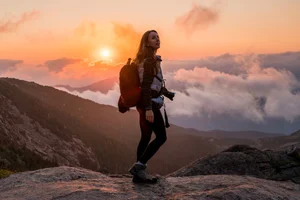
Views from James Peak, a 13er
Summer in Colorado is my favorite time of year. From June through September, high-elevation roads reopen, wildflowers blanket the mountains, alpine lakes thaw, and some of Colorado's best hiking and backpacking routes finally become accessible.
I've lived in Colorado for years and spend most of my summers hiking, backpacking, climbing, and road-tripping around the state. These are the Colorado summer experiences I'd recommend most, whether you're visiting for the first time or looking for new weekend adventures closer to home.
Colorado Summer Quick Planning Guide
How many days do you need in Colorado?
For a first trip, I’d recommend at least 5–7 days so you have time to explore Denver or Boulder, spend a few days in the mountains, and account for longer drive times between destinations. If you want to visit multiple regions like Rocky Mountain National Park, Aspen, Crested Butte, or the San Juans, then 7–10 days is even better. Colorado is huge, and trying to cram too much into a long weekend usually means spending half your trip in the car.
What month is best for a Colorado summer trip?
July through early September is my favorite window for a classic Colorado summer trip. By July, most high-elevation trails and mountain passes are typically snow-free, while mid-July through early August brings peak wildflower season in many parts of the state. August is great for hiking and backpacking, while September usually brings cooler temperatures and fewer crowds.
June can still be beautiful, but snow often lingers on high-altitude trails and some seasonal roads may not be fully open yet.
Do you need a rental car in Colorado?
Yes. Many of the state's best hikes, mountain towns, scenic drives, and national parks are difficult or impossible to reach without one.
If you're planning to spend most of your trip in places like Estes Park, Aspen, Breckenridge, or Crested Butte, you may be able to park your car and use local shuttles once you arrive. Still, having your own vehicle gives you significantly more flexibility, especially for early-morning trailhead starts.
What should you pack for Colorado in summer?
Colorado weather can change incredibly quickly, especially in the mountains, so layers are essential even in the middle of summer. Temperatures can be warm during the day and surprisingly cold before sunrise or after sunset, particularly above 10,000 feet.
I almost always bring (and have linked my favorites/recommendations):
How do you prepare for Colorado's altitude?
If you're coming from sea level, try to give yourself at least a day or two to acclimatize before attempting a major high-altitude hike or 14er. Drink plenty of water, eat regular meals, take it easy on alcohol at first, and build up gradually rather than making your hardest hike your first activity.
Altitude sickness can affect anyone regardless of fitness level. Common symptoms include headache, nausea, dizziness, unusual fatigue, and difficulty sleeping. If symptoms become significant or continue getting worse as you climb, the safest move is to descend to a lower elevation.
Without further ado, let’s get into your ultimate bucket list for Colorado summer!
1. Soak in a wild hot spring after a long hike

Conundrum Hot Springs
One of the most iconic wild hot springs in the state is Conundrum Hot Springs, located in the Maroon Bells-Snowmass Wilderness near Aspen. It's a 17-mile roundtrip hike with significant elevation gain, but the reward is soaking in steaming natural pools surrounded by 14,000-foot peaks.
Permit Required: You must reserve a permit for overnight stays through Recreation.gov.
Tip: Start early and pack out everything (yes, even human waste). The trail begins at Conundrum Creek Trailhead just outside Aspen.
Read my complete guide to backpacking Conundrum Hot Springs, including permits, what to pack, and what to expect on the trail.
2. Go on a backpacking trip

Backpacking the Four Pass Loop
Colorado has no shortage of breathtaking multi-day treks. Here are three stunning areas to explore:
Four Pass Loop (Maroon Bells-Snowmass): 28 miles of alpine lakes, wildflower fields, and dramatic passes. Start at the Maroon Lake Trailhead outside Aspen.
Pawnee-Buchanan Loop (Indian Peaks): About 27 miles starting near Brainard Lake, this less-crowded route features forested valleys and scenic ridgelines.
Chicago Basin (Weminuche Wilderness): Accessible via the Durango & Silverton Narrow Gauge Railroad. Take the train to Needleton and backpack into remote, goat-filled basins surrounded by 14ers.
See my backpacking for beginners guide — including a packing list and gear recommendations — here!
3. Try outdoor rock climbing

Boulder Canyon
Never climbed outside? Colorado is a great place to learn. Hire a local guide or join a group lesson to get started safely. If you want to build skills before heading to the crag, consider taking an intro class at an indoor climbing gym.
Where to Go Outdoors: Boulder Canyon, Clear Creek Canyon (Golden), and Shelf Road near Cañon City are all beginner-friendly.
Gym Options: The Spot (locations in Boulder and Denver) offers intro to belay, top rope, and lead climbing classes that are perfect for first-timers.
Guiding Services: Check out companies like Colorado Mountain School or Denver Mountain Guiding for half- and full-day climbing experiences. They’ll provide all of your necessary gear and teach you essential climbing skills for any level.
4. Visit a national park (or all 4!)

Sunrise in Rocky Mountain National Park
Colorado is home to four incredibly diverse national parks:
Rocky Mountain National Park: Alpine lakes, elk herds, and over 350 miles of hiking trails. Base yourself in Estes Park or Grand Lake.
Great Sand Dunes: Towering dunes backed by 13,000-foot peaks. Try sandboarding or stargazing. Stay in Alamosa or camp at Piñon Flats Campground.
Mesa Verde: Explore ancient cliff dwellings and archaeological sites. Lodging is available in Cortez or inside the park.
Black Canyon of the Gunnison: Sheer cliffs and dramatic views make this a hidden gem. Nearby Montrose is your best base.
5. Drive Trail Ridge Road

Trail Ridge Road
Trail Ridge Road is the highest continuous paved road in the U.S., topping out at over 12,000 feet. Open seasonally (typically late May to October), it connects Estes Park and Grand Lake through Rocky Mountain National Park.
Start: From Estes Park, enter the park via the Beaver Meadows Entrance.
Don’t Miss: Alpine Visitor Center, Gore Range Overlook, and the Tundra Communities Trail.
Tip: Check road conditions at NPS.gov before heading out.
6. Camp in an apple orchard at Big B’s

Big B’s Campground
For a unique overnight experience, camp at Big B's Delicious Orchards in Hotchkiss. Pitch a tent or car camp among the apple trees, enjoy live music, sip local cider, and browse the farm store.
Reservations: Book in advance at bigbs.com.
Nearby Attractions: Paonia wineries, Black Canyon of the Gunnison, and Gunnison River kayaking.
7. Paddleboard on Lake Irwin

Lake Irwin
Located just outside Crested Butte, Lake Irwin offers calm waters, alpine scenery, and easy access for paddleboarders and kayakers.
Access: Take Kebler Pass west from Crested Butte, then turn onto Forest Road 826.
Morning Tip: The lake is often glassy at sunrise. Grab coffee from Camp 4 Coffee and breakfast from Butte Bagels before heading out.
8. Soak up wildflower season

Beautiful wildflowers near Crested Butte/Aspen, August 2023
Colorado's wildflowers peak mid-July through early August in the high country. Top spots include:
Crested Butte: Known as the Wildflower Capital of Colorado.
Yankee Boy Basin: Near Ouray, offers vibrant blooms with dramatic mountain backdrops.
Indian Peaks Wilderness: Moderate hikes like Lost Lake or Mitchell Lake are packed with color.
Leave No Trace Tip: Stay on trail, don’t pick flowers, and avoid trampling delicate areas.
9. Hike a 14er

Views from Huron Peak, 14,012’
Colorado has 58 peaks over 14,000 feet, and summer is the ideal season to try one. These are great beginner-friendly options:
Mount Bierstadt: Near Georgetown, 7.2 miles RT with a well-maintained trail.
Quandary Peak: Near Breckenridge, 6.6 miles RT. Requires a parking reservation.
Handies Peak: Accessed via American Basin in the San Juans. Shorter at 5.5 miles RT and incredibly scenic.
Safety Note: Even beginner-friendly 14ers are serious high-altitude hikes. Give yourself time to acclimatize before attempting one, start early to avoid afternoon thunderstorms, and bring layers, at least 3L of water, electrolytes, and navigation tools. Altitude sickness can affect anyone regardless of fitness level, so know the symptoms and be prepared to turn around if you’re not feeling well.
10. See a concert at Red Rocks Amphitheater

Red Rocks Ampitheater
Red Rocks is the most iconic music venue in the country. I saw Lord Huron there last summer and it was absolutely magical—watching the sun set and the stars come out as music echoed through the red sandstone walls.
Location: Just outside Morrison, ~30 minutes from Denver.
Bonus: Arrive early to hike the Trading Post Trail before the show.
Tickets: Check the schedule and grab tickets at redrocksonline.com.
Final Tip
Save this list for your next trip to Colorado or send it to your friends who are eager to start planning summer adventures! If you check anything off this list, tag me on Instagram @dashaslens so I can cheer you on!
This post may contain affiliate links, meaning I get a small commission if you purchase items through my links at no extra cost to you. Thank you so much for supporting my blog!