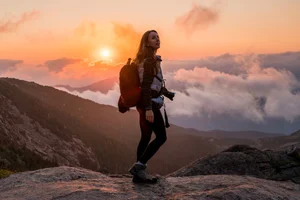
The Ultimate Innsbruck Travel Guide: Hiking, Climbing, Sightseeing & Where to Stay
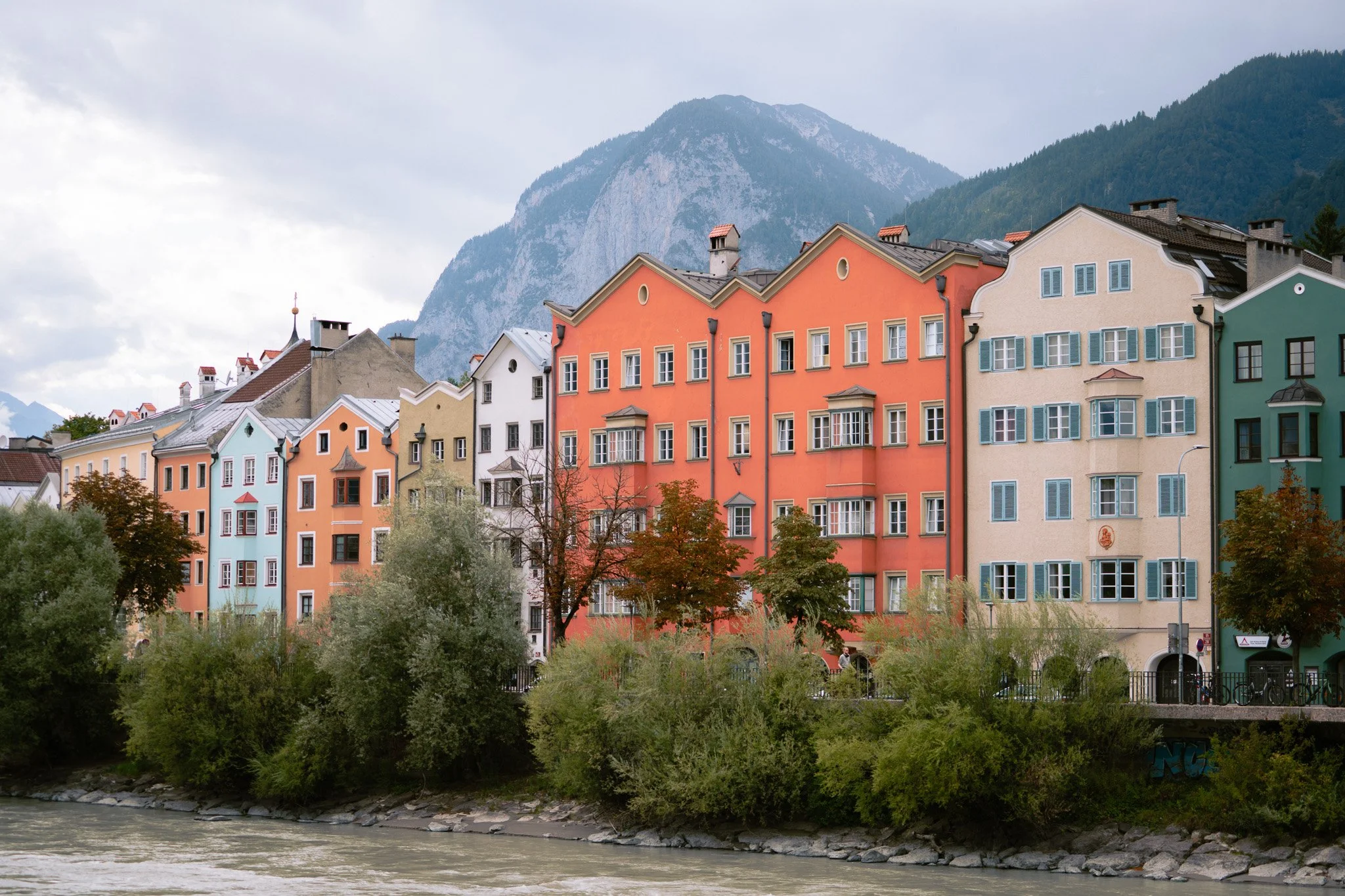
Innsbruck is the capital of Tyrol in western Austria, tucked into a valley with huge mountains rising on basically every side. It felt like a charming European city but also a cool, down-to-earth mountain town at the exact same time.
You can spend the morning wandering past colorful buildings and centuries-old palaces, take a cable car straight from the city into the mountains, hike along an alpine ridge in the afternoon, and be back downtown eating schnitzel by dinner.
I genuinely don't know why more outdoorsy travelers from the U.S. don't have Innsbruck higher on their lists!
We spent five nights here in September as the first stop on a longer road trip through Austria and the Italian Dolomites, and it was enough time to explore quite a bit of the city while also hiking, climbing and getting into the mountains.
It was also one of those places where I pretty immediately thought, "Wait…I could actually live here though!”
So if you love hiking, climbing, mountain biking, via ferrata or simply want a European city trip with super easy access to the outdoors, here's everything I'd recommend doing in Innsbruck.
Getting to Innsbruck & Getting Around
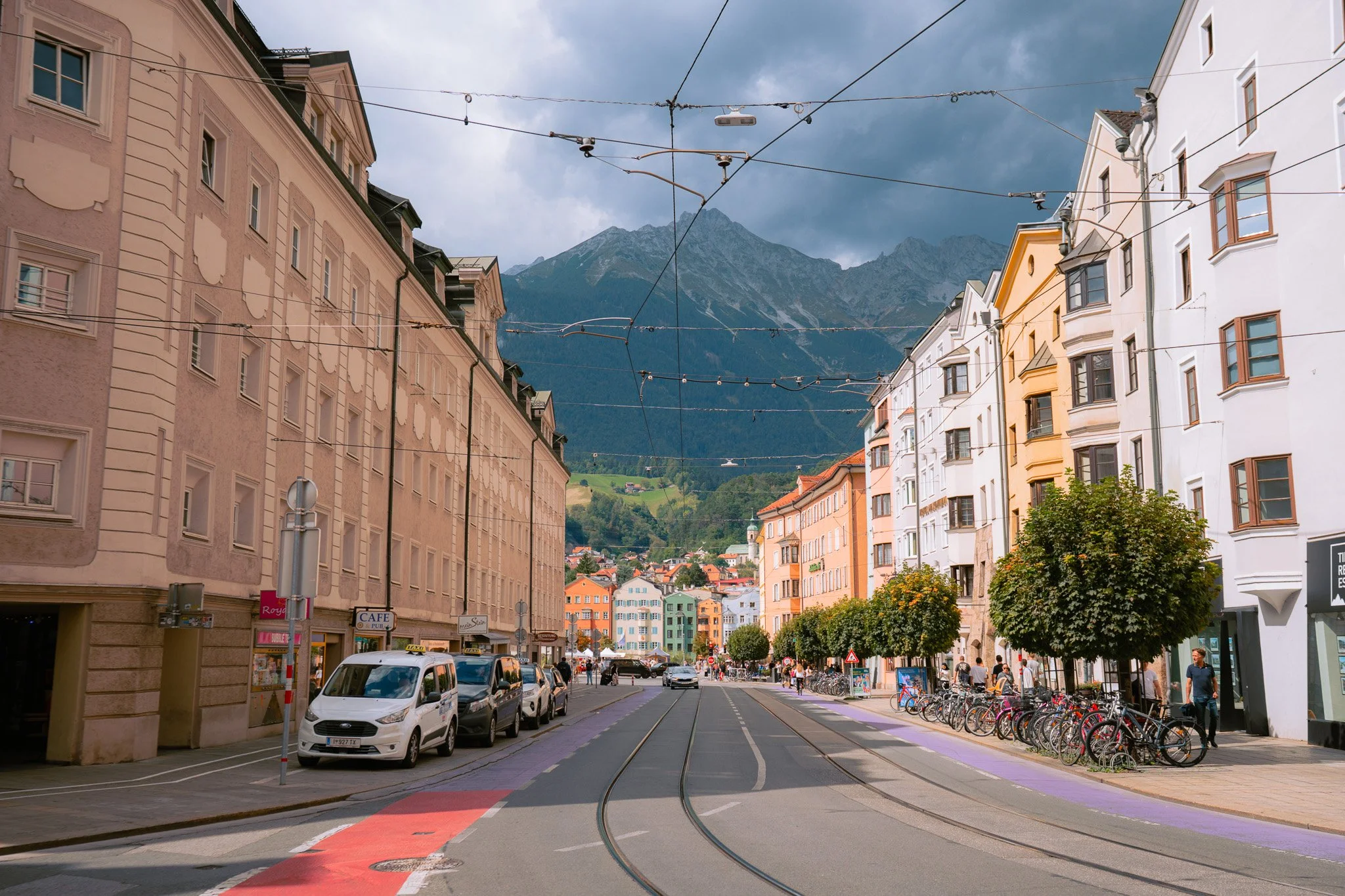
One of the best things about Innsbruck is that you really don't need a car to enjoy it.
The historic center is extremely walkable, there are bike paths throughout the city, and Innsbruck has an extensive network of buses and trams. Even the mountains are surprisingly accessible by public transportation and cable car.
We had a rental car because Innsbruck was the beginning of a larger road trip through Austria and the Dolomites, and it definitely came in handy for some of our adventures outside the city.
But if you're primarily interested in exploring Innsbruck itself, hiking around the Nordkette and visiting the major attractions, I'd consider coming by train and skipping the rental car.
Munich is also a convenient international gateway for Innsbruck, making it easy to combine the two destinations on a longer European trip.
When to Visit Innsbruck
We visited in early September and I absolutely loved this time of year!
The weather was still warm enough for hiking and climbing, the mountains were green, and most of the summer infrastructure was still operating.
For hikers, climbers and via ferrata enthusiasts, I'd generally look at summer through early fall, keeping in mind that mountain conditions and lift schedules vary throughout the season.
Winter is obviously an entirely different Innsbruck experience, with skiing and other snow sports taking center stage.
I'd honestly love to come back and experience it covered in snow.
Where to Stay in Innsbruck: Hotel Sailer
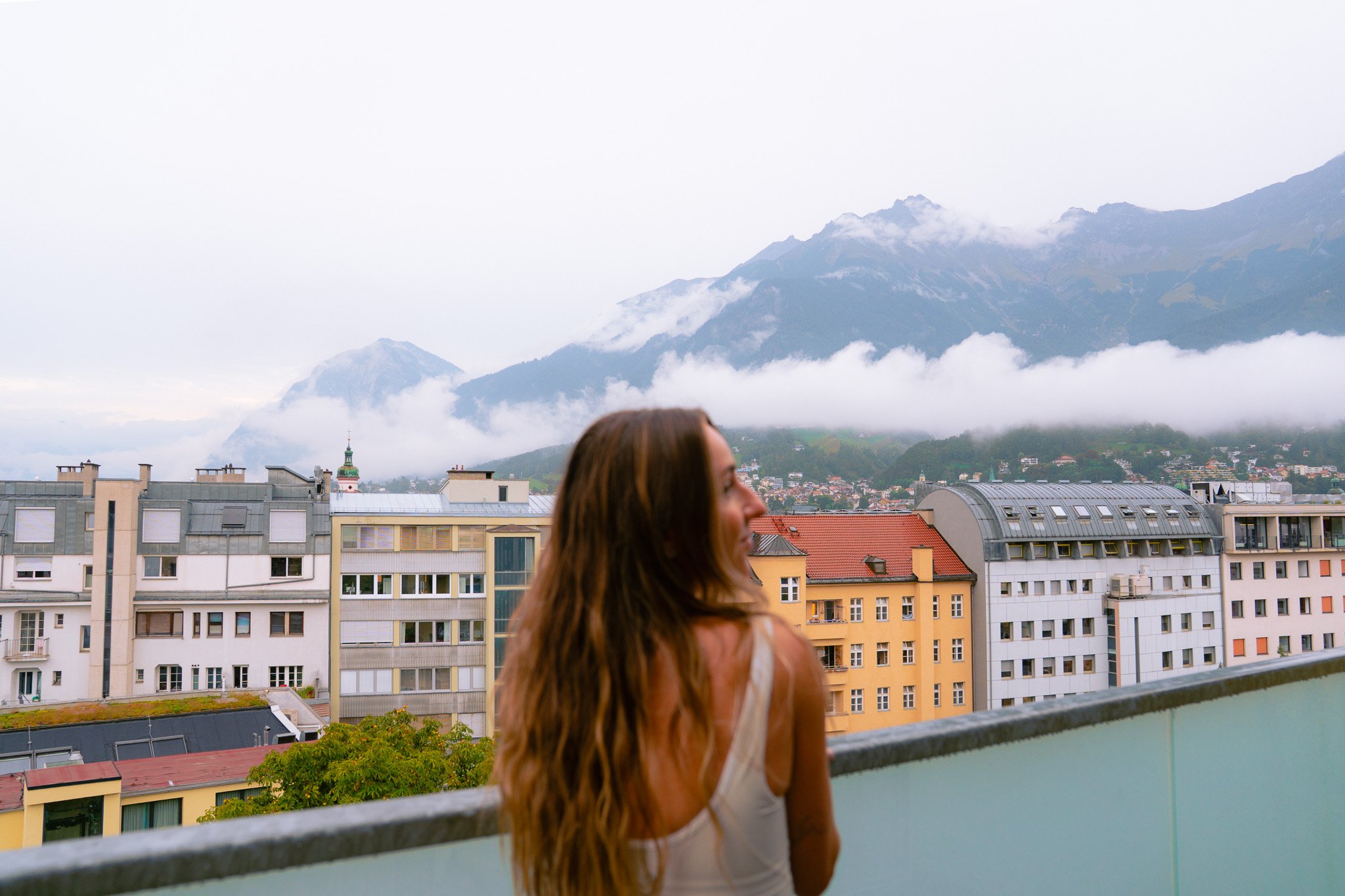
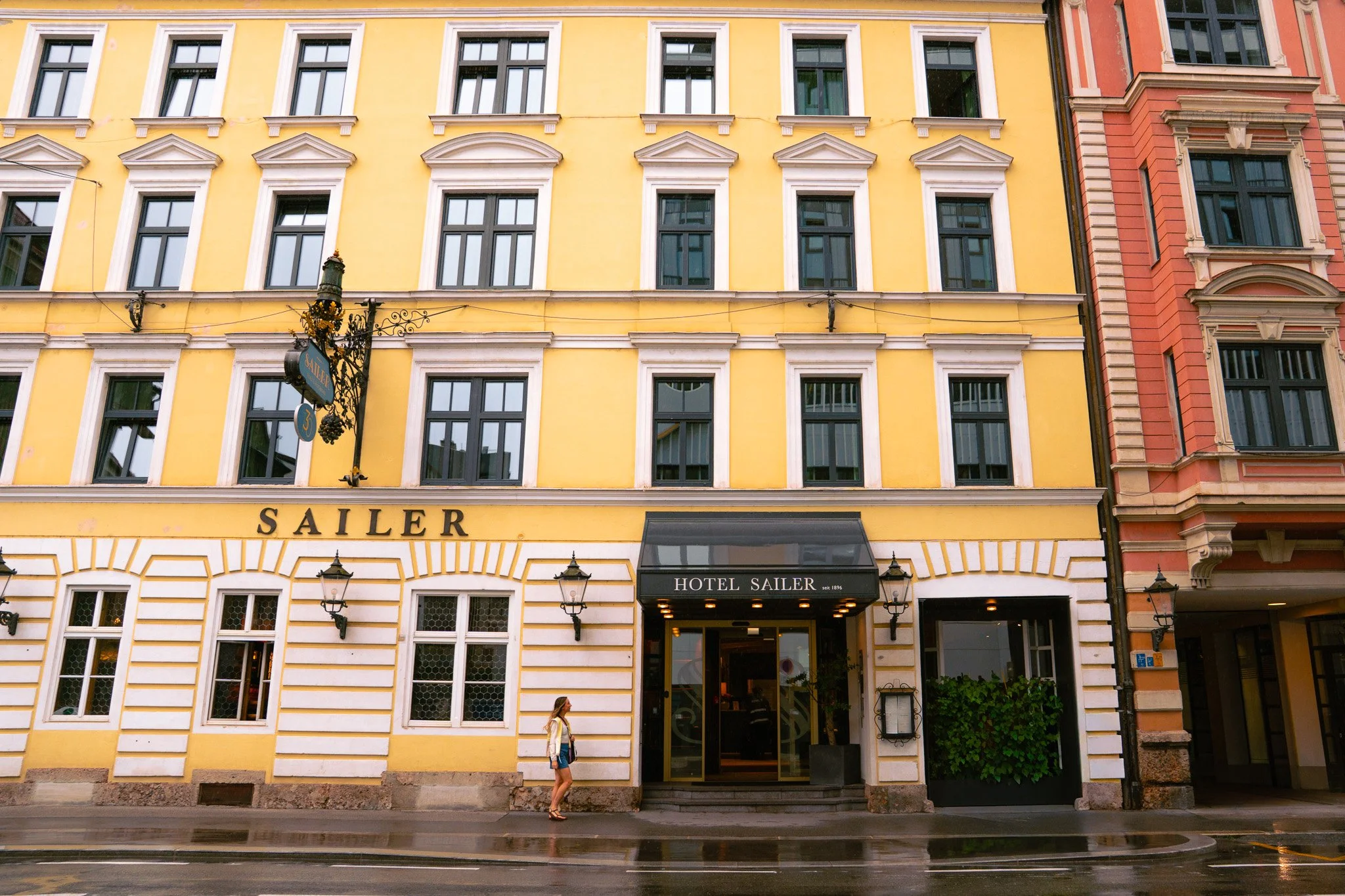
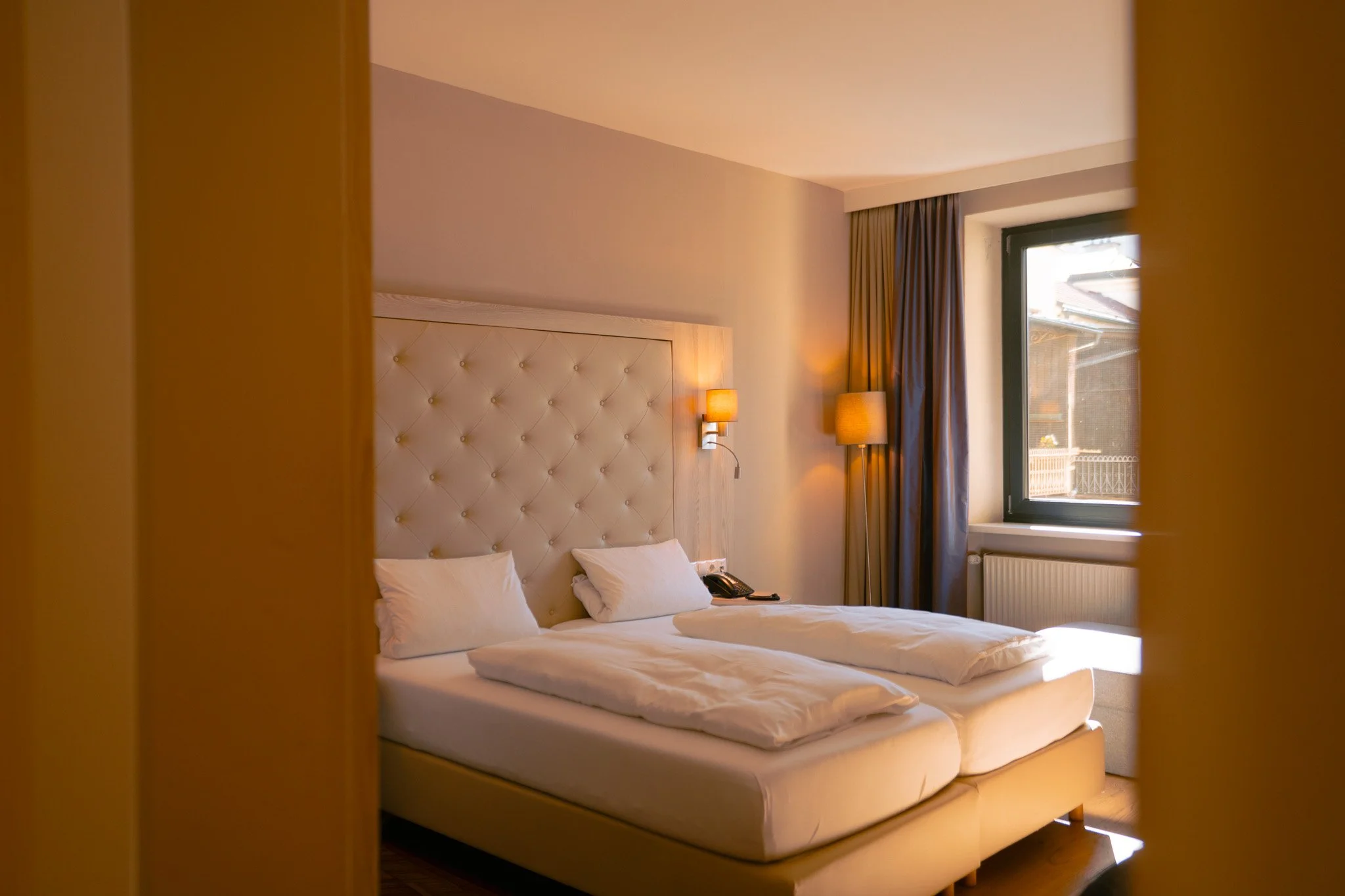
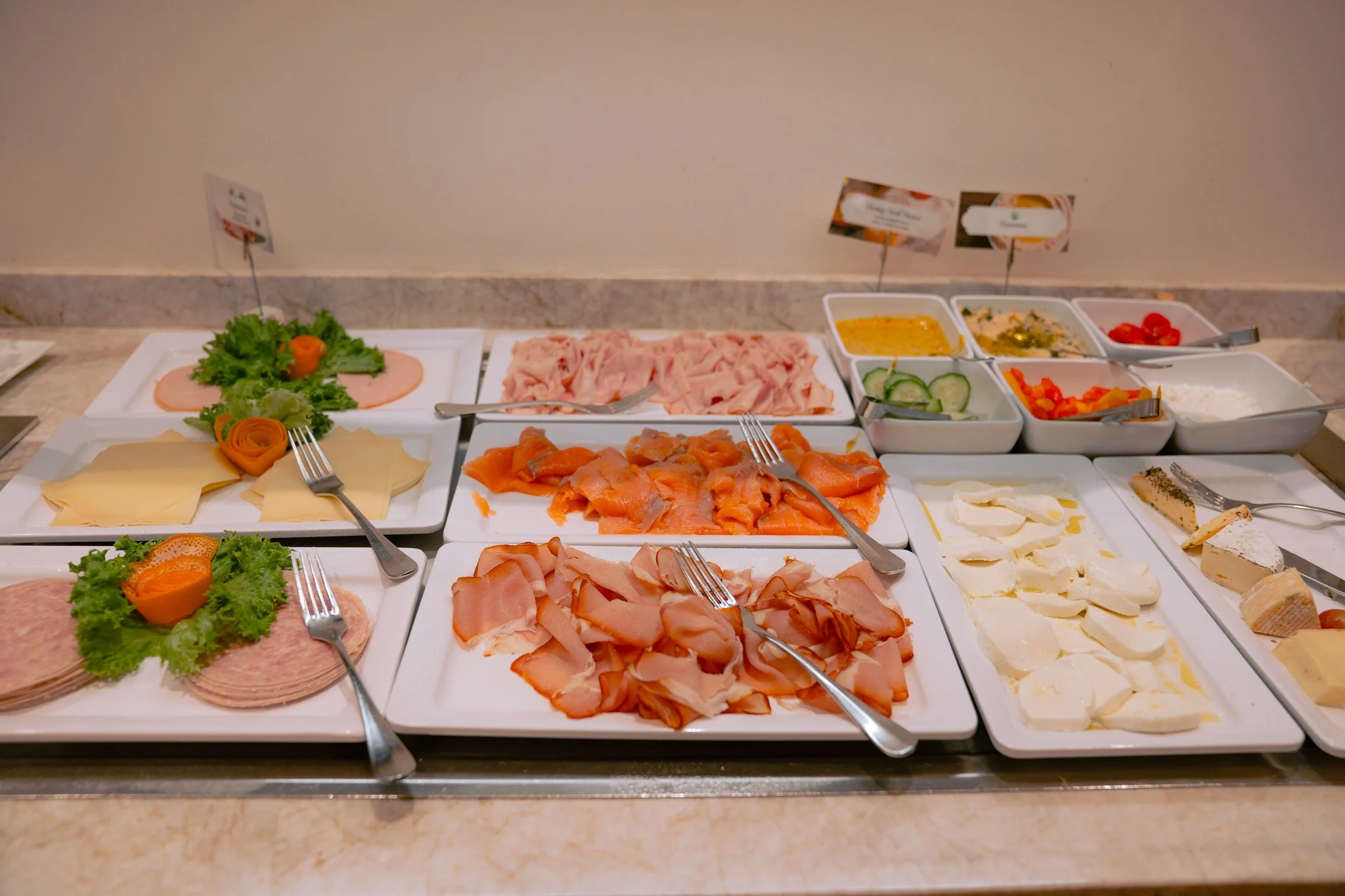
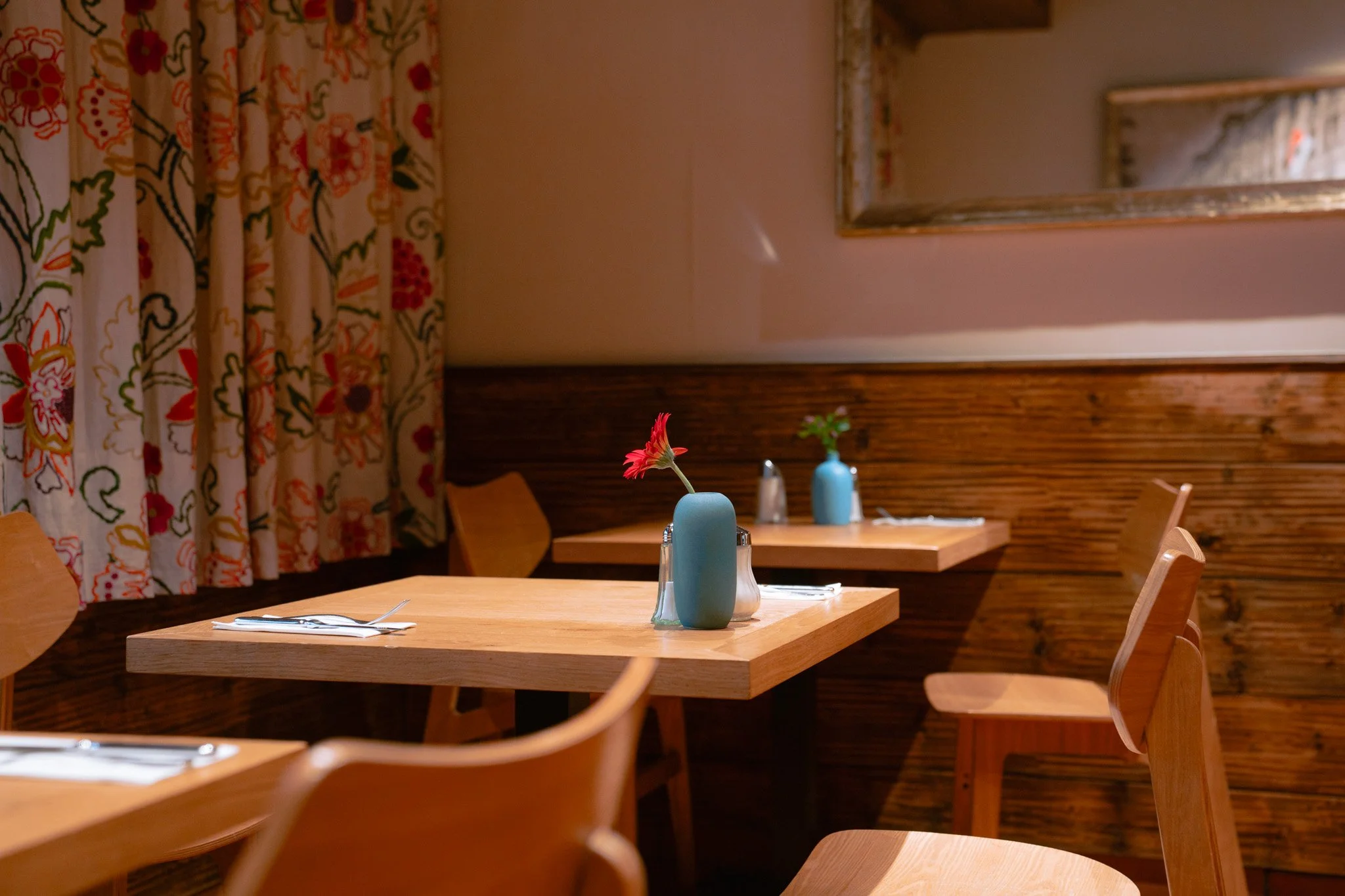
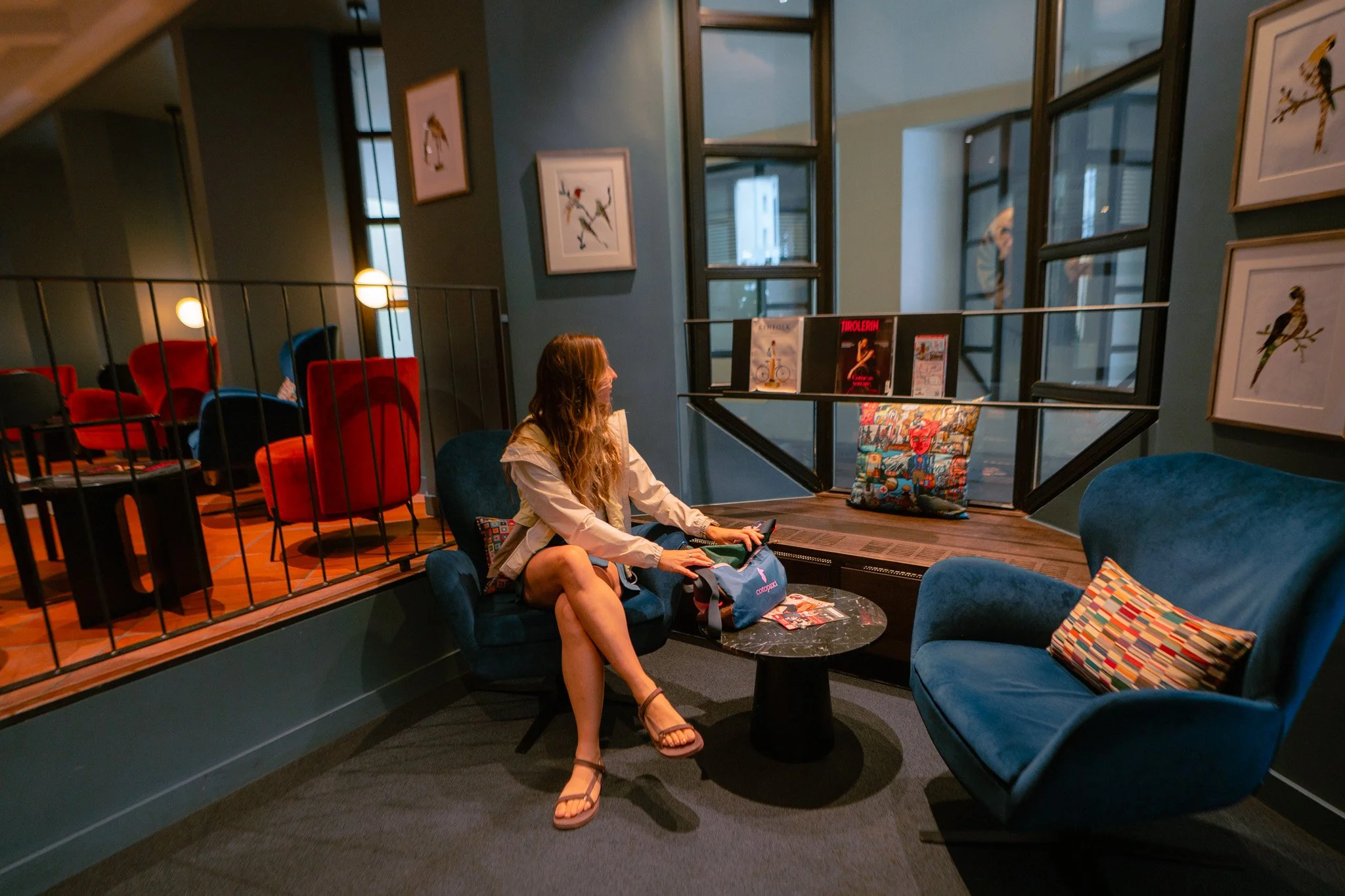
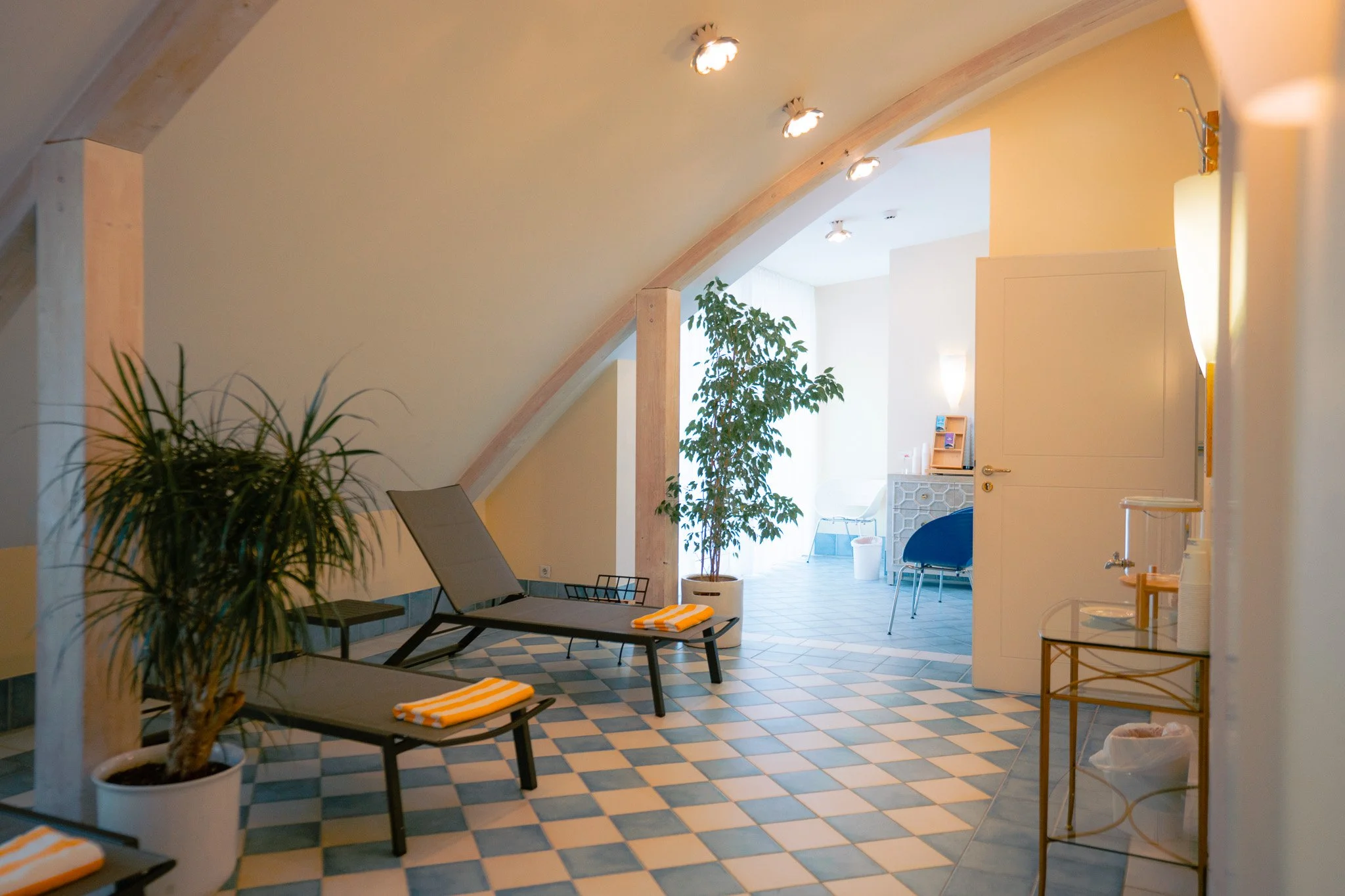
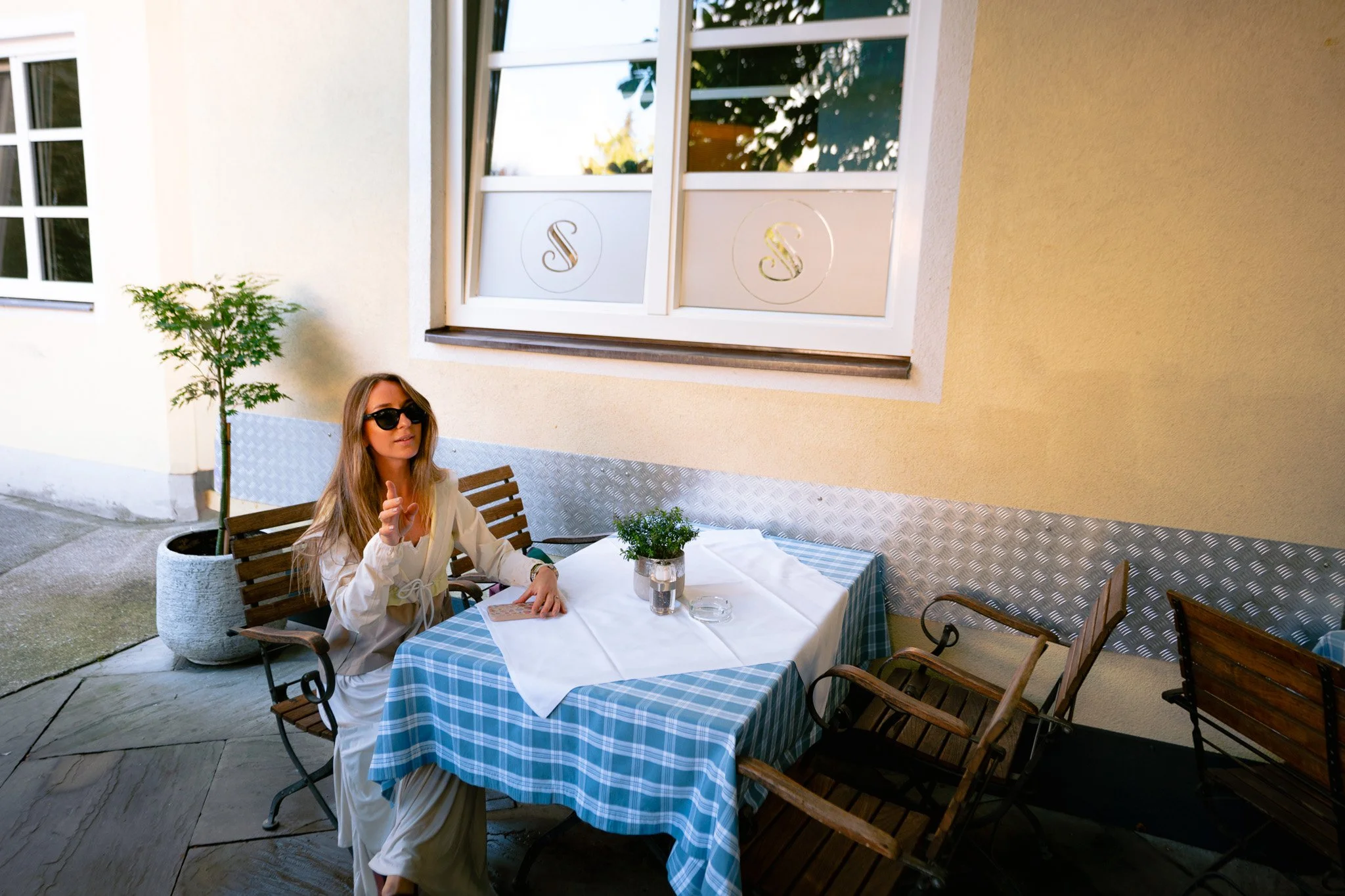
Our stay at Hotel Sailer was hosted, but all opinions and recommendations are my own.
For our five nights in Innsbruck, we stayed at Hotel Sailer, a family-owned hotel right in the center of the city.
Location was probably my favorite thing about staying here. We could walk to Old Town, Maria-Theresien-Straße and many of Innsbruck's major attractions, and the main train station is only a couple minutes away on foot. Despite having our rental car, we ended up walking around the city constantly.
Hotel Sailer has actually been family-owned since it opened in 1896, and it still felt connected to Tyrolean history rather than feeling like a generic modern hotel. There were traditional wood-paneled Tyrolean rooms throughout the property alongside the more contemporary guest rooms.
And then there was the view.
Our room looked directly toward the surrounding mountains, which meant we'd wake up, open the curtains and immediately be reminded that we were in the middle of the Alps in an adorable European city. It truly did not get old.
The hotel also has:
A daily breakfast buffet
An onsite restaurant serving Tyrolean and Austrian dishes
A Finnish sauna and infrared cabin
Onsite parking
EV charging
The breakfast was especially convenient on our bigger adventure days because we could eat a substantial meal at the hotel before heading into the mountains.
The Free Innsbruck Welcome Card
Another great perk of our stay was receiving Innsbruck's Welcome Card through Hotel Sailer.
Don't confuse this with the Innsbruck Card, which I'll talk about below. They're two separate things!
The Welcome Card is a free guest card available through participating accommodations for stays of at least two nights. It includes public transportation throughout the Innsbruck region, 24-hour access to Innsbruck's city bikes, discounts on various activities and attractions, and additional benefits depending on the length of your stay.
If you're staying three nights or longer during the summer season, the Welcome Card Plus also includes complimentary rides on select mountain lifts.
It's a really nice benefit if you're planning to explore beyond the immediate city center, especially if you're visiting without a rental car.
The Best Things to Do in Innsbruck
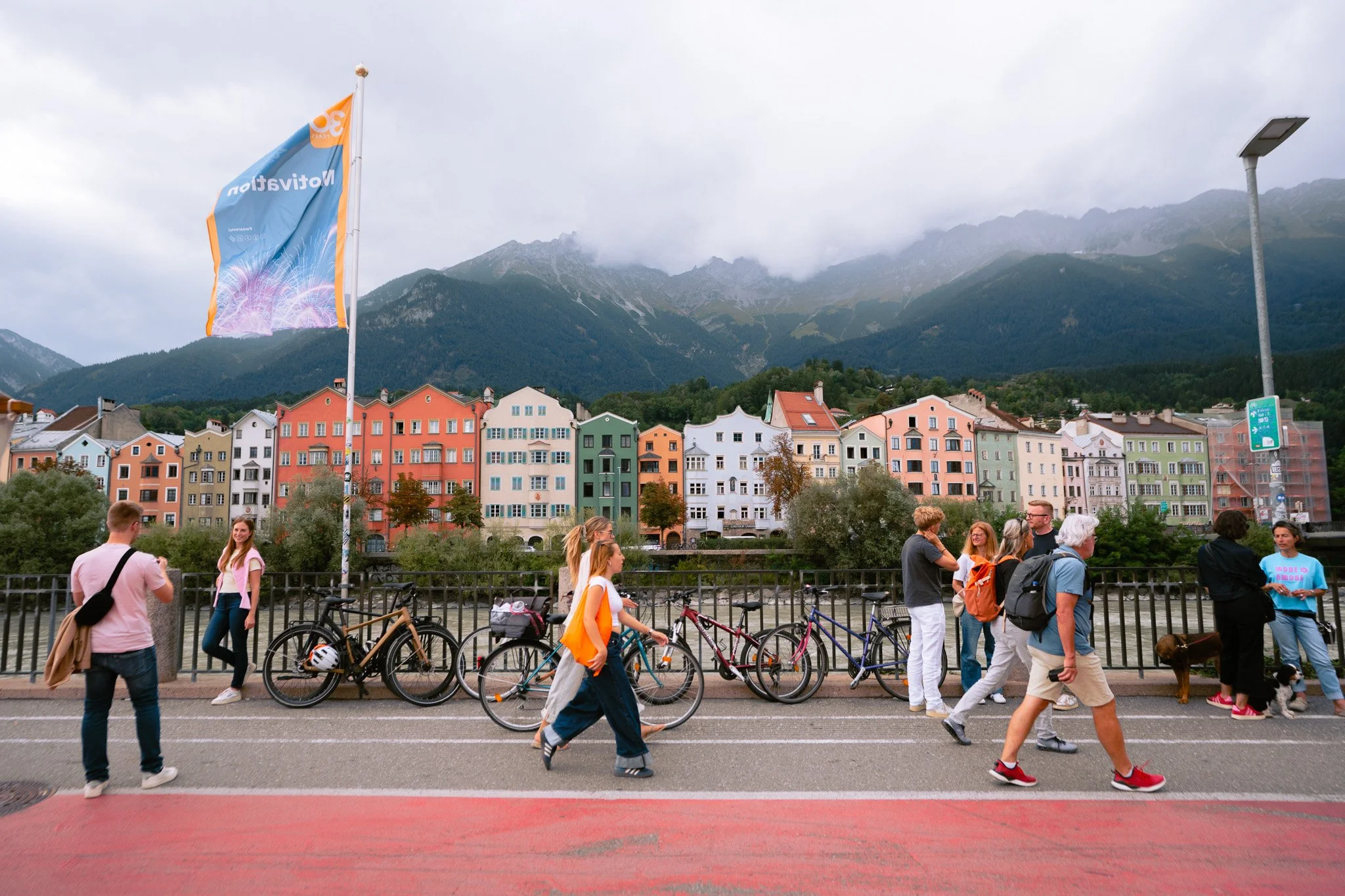
One of my favorite things about Innsbruck is how easy it is to mix a classic European city trip with actual outdoor adventure. You can spend one day exploring palaces and historic streets, then be hiking, climbing or riding a cable car high into the Alps the next. We spent five nights here and had no problem filling our days, and honestly could have stayed even longer.
Explore Innsbruck's Old Town
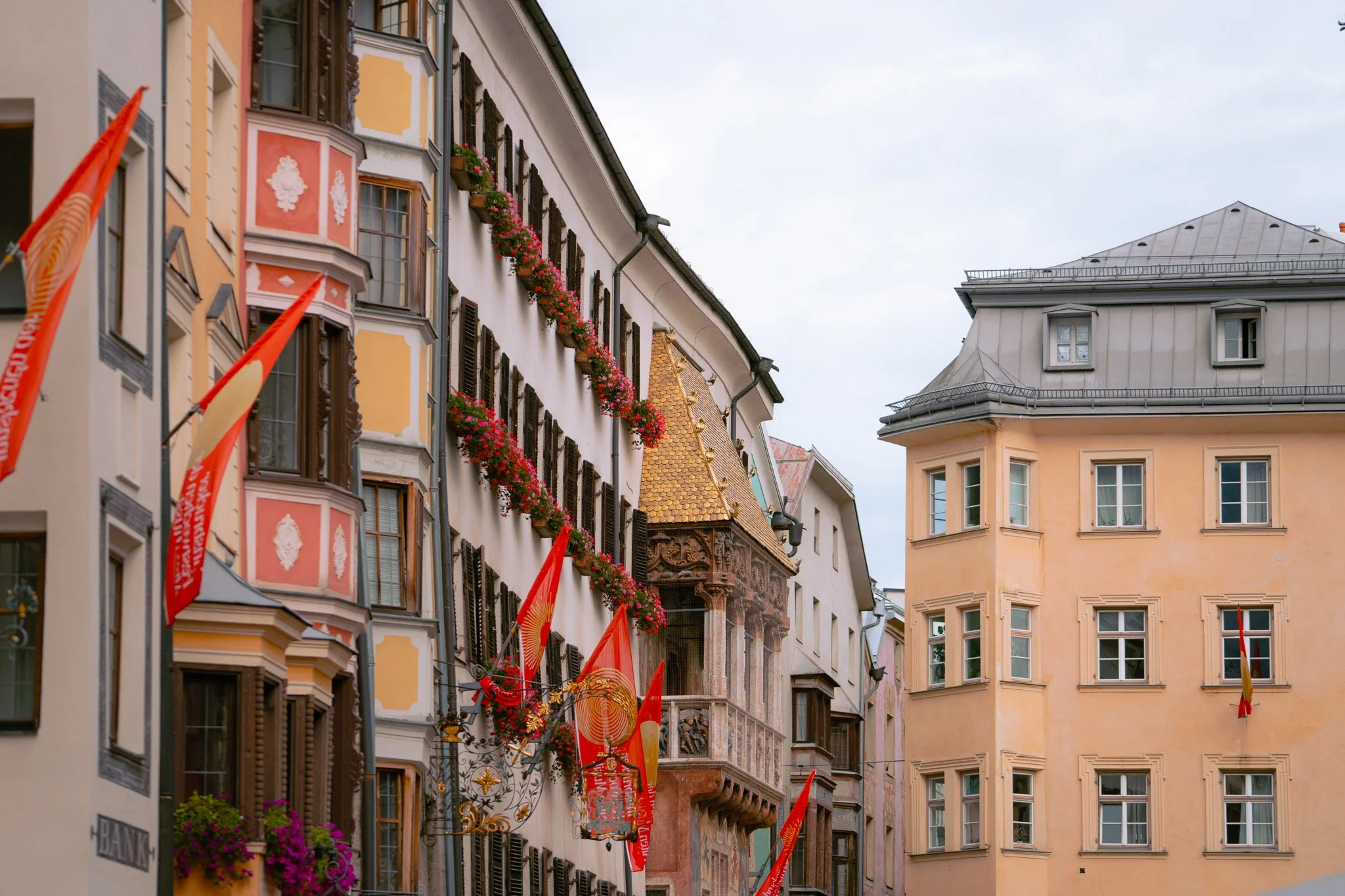
Give yourself at least a few hours to wander around Innsbruck's historic center without much of an agenda.
Old Town is compact and extremely walkable, with colorful buildings, ornate architecture, narrow pedestrian streets and mountain views appearing between the buildings.
You'll inevitably end up at the Golden Roof, Innsbruck's most famous landmark. The balcony was completed around 1500 for Emperor Maximilian I and is decorated with thousands of gilded copper tiles.
It's worth seeing, but one of my favorite perspectives of the city was actually from above.
Climb the Innsbruck City Tower
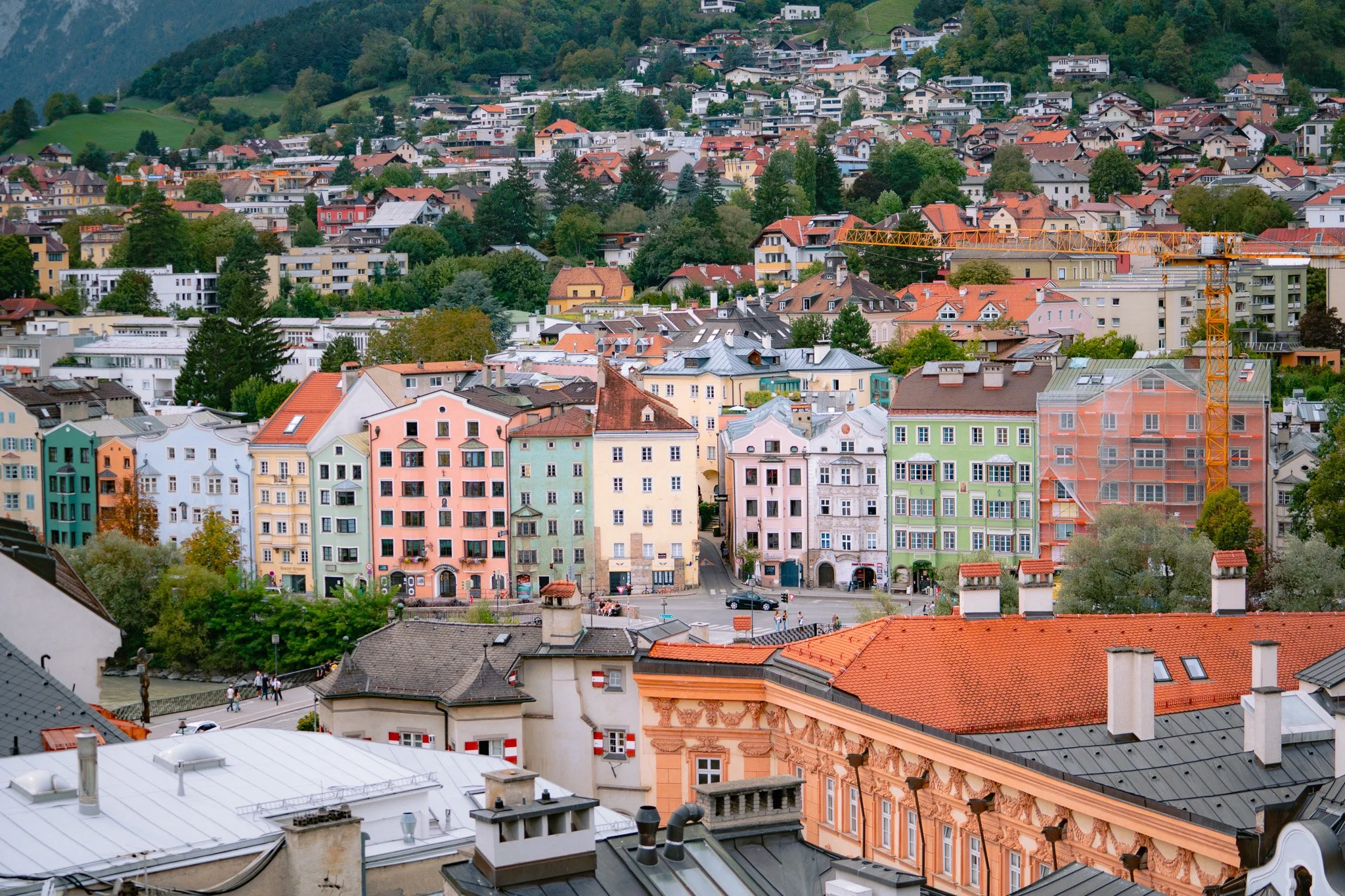
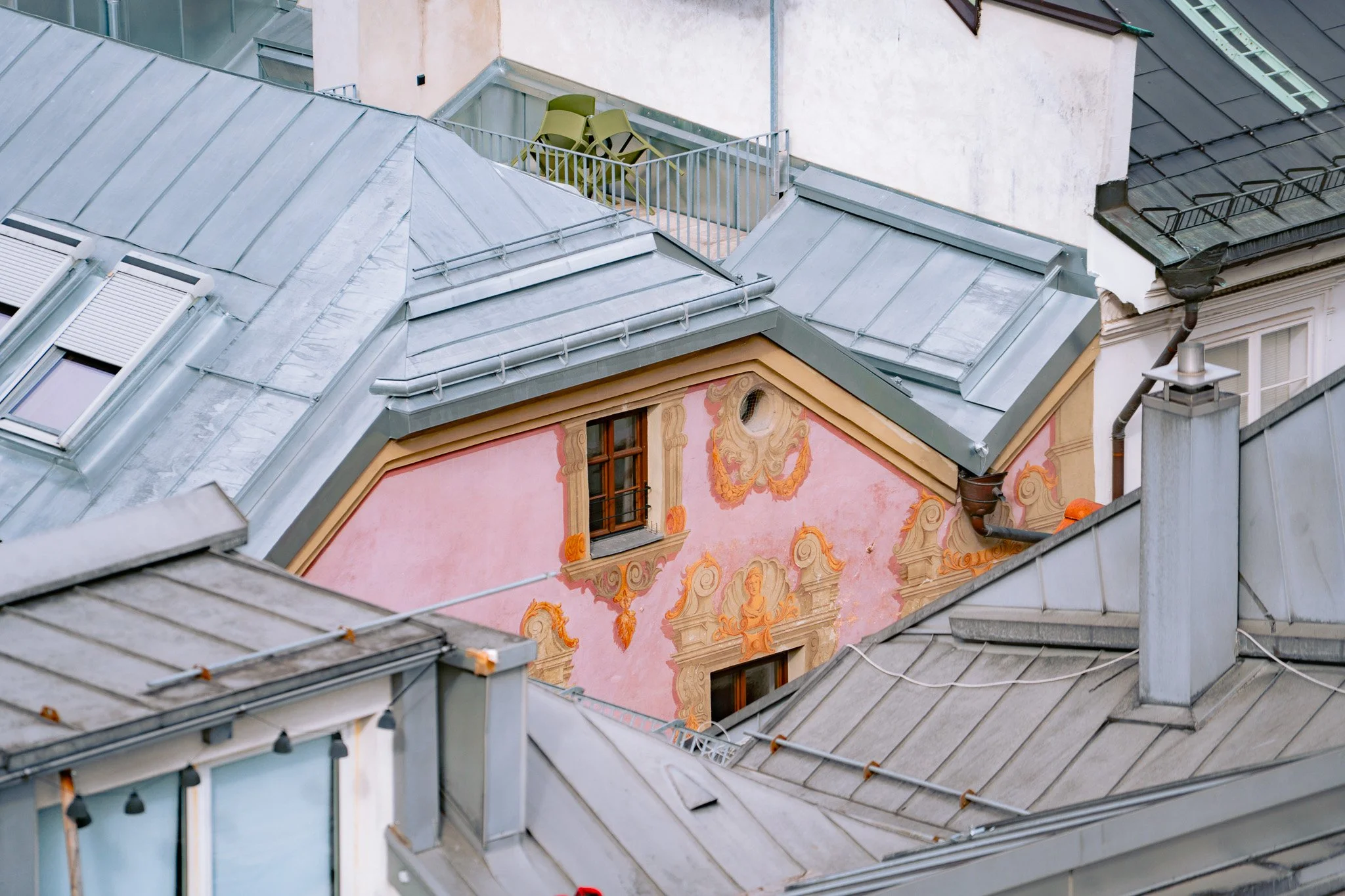
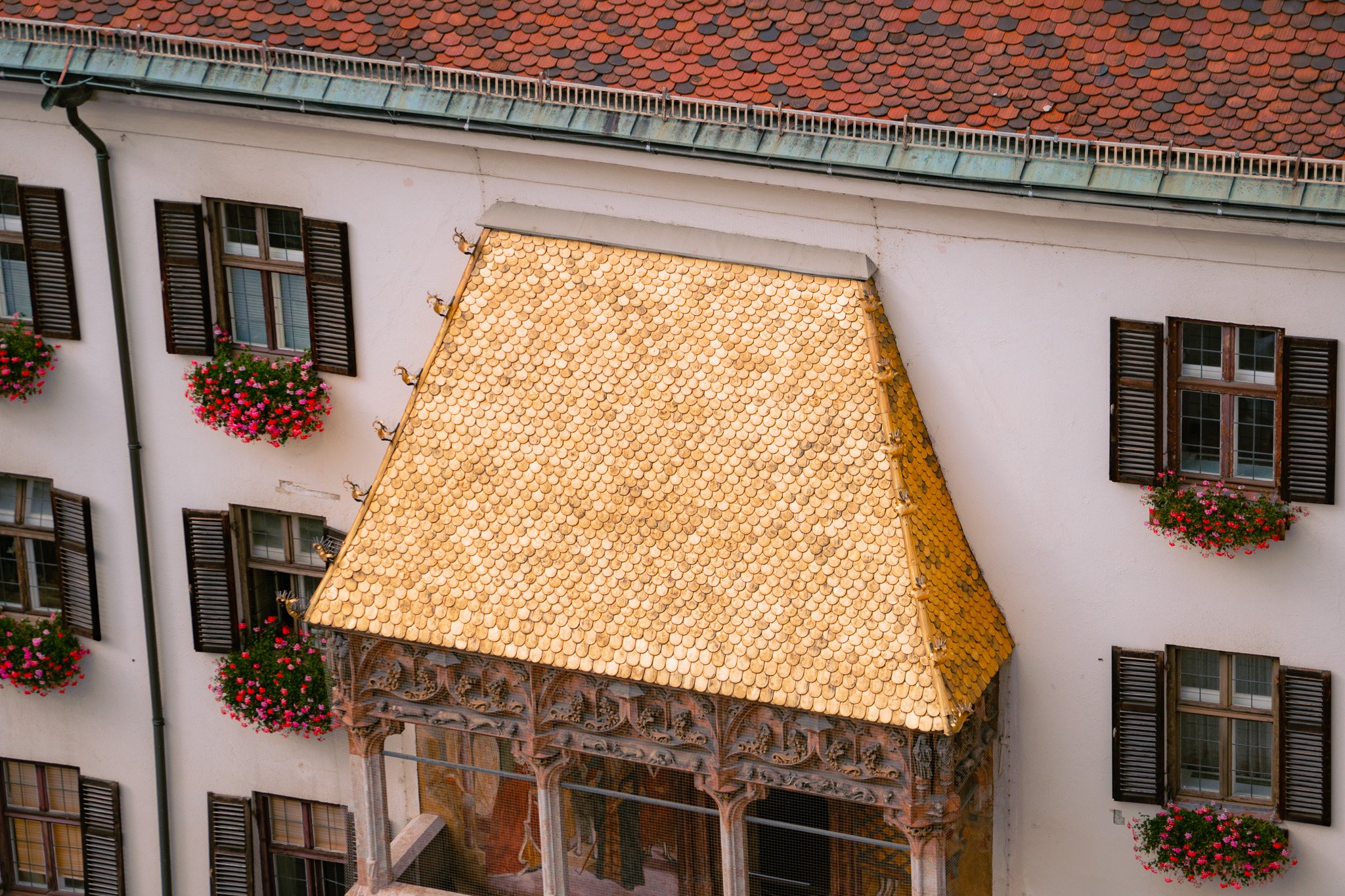
The City Tower sits right in Old Town near the Golden Roof and gives you a beautiful rooftop view over Innsbruck.
You'll have to climb the stairs to reach the viewing platform, but from the top you can see the colorful buildings below with the mountains rising behind the city.
If you like photography, definitely bring your camera up here! I literally stood up here for 15-20 minutes just watching the clouds roll in and out and the light change over the city. Its stunning.
Visit the Hofburg Imperial Palace
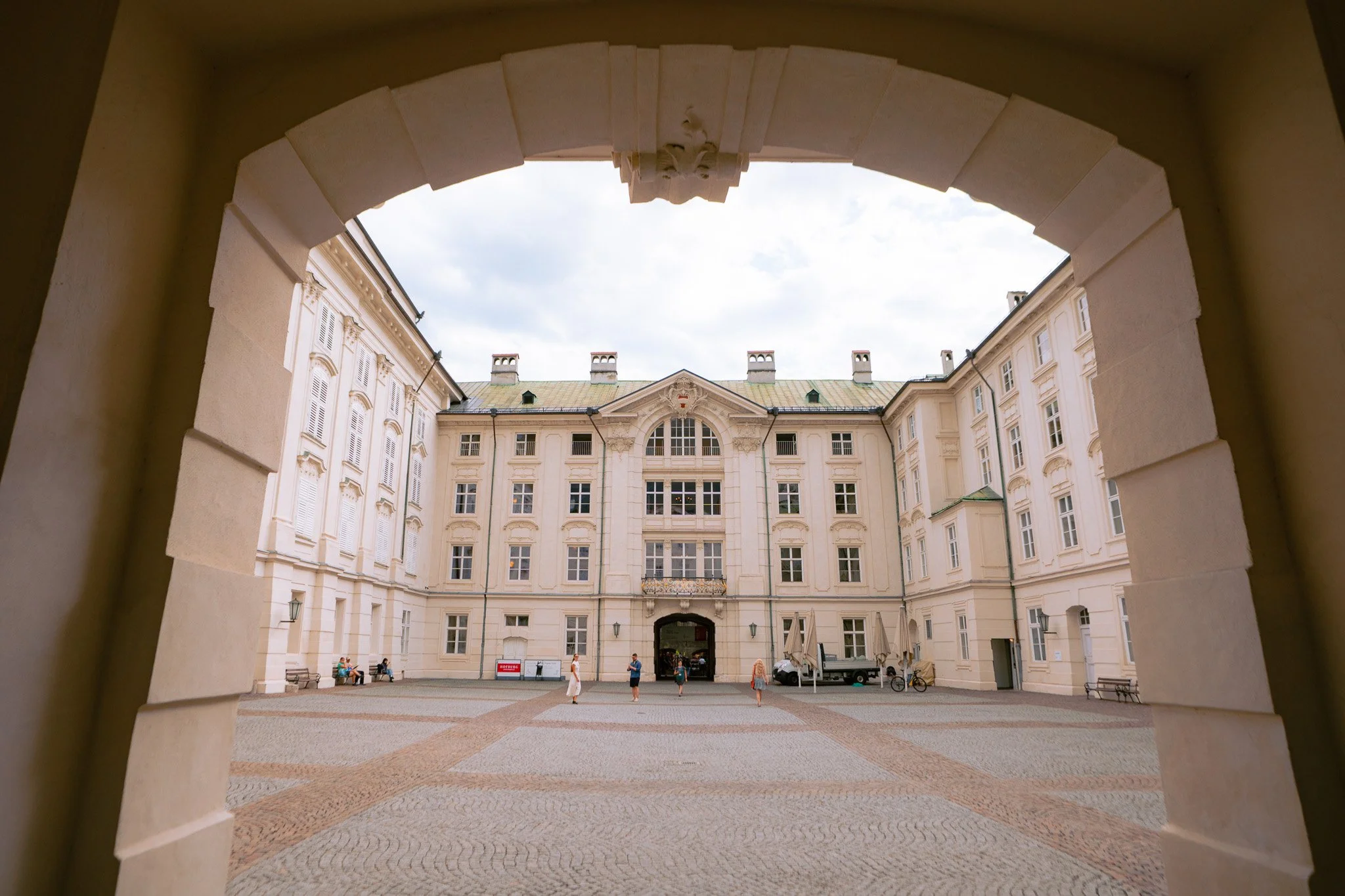
The Hofburg is Innsbruck's former Imperial Palace and one of the best places in the city to learn more about its Habsburg history. I personally love getting a little historical context every time I travel, and this was the perfect museum to do so.
The palace has roots going back centuries, but much of what you see today reflects renovations completed during the reign of Empress Maria Theresa. Fun history connection: one of Maria Theresa's daughters was Marie Antoinette, who would later become Queen of France. Yup, THAT Marie Antoinette.
The Giant's Hall was easily my favorite room. It's so ornate, with elaborate ceiling frescoes and portraits of Maria Theresa's family lining the walls.
Visit Ambras Castle
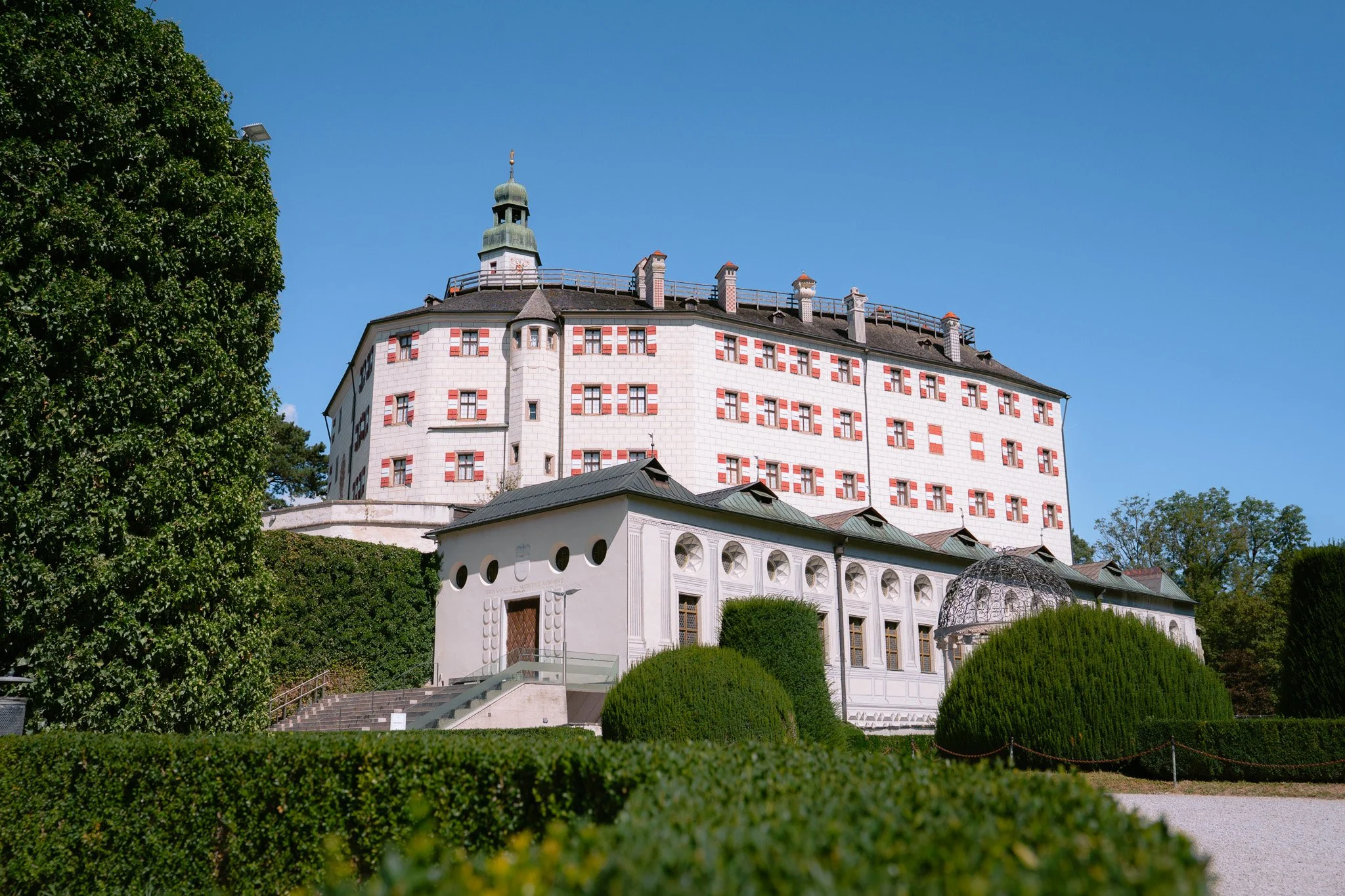
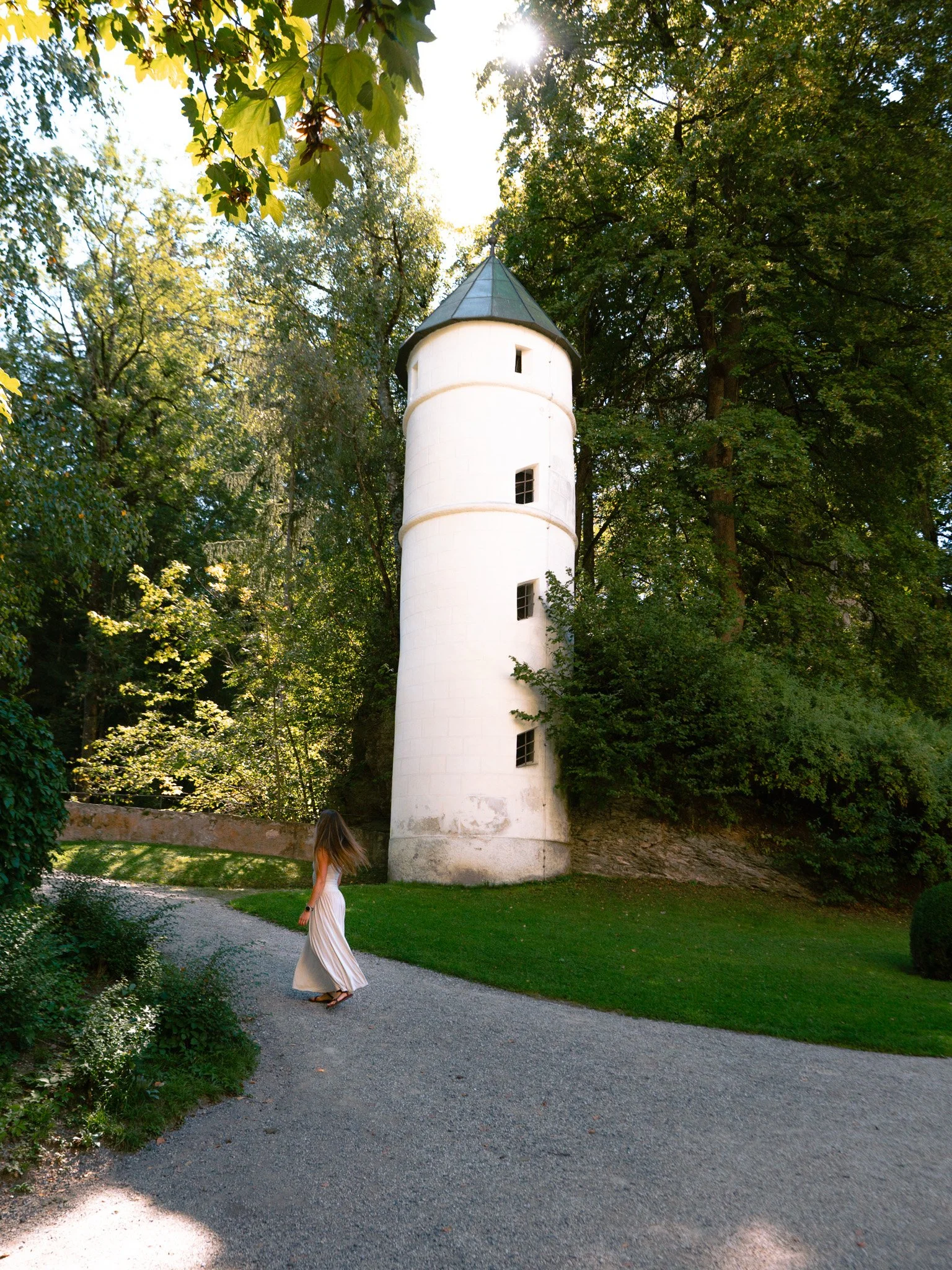
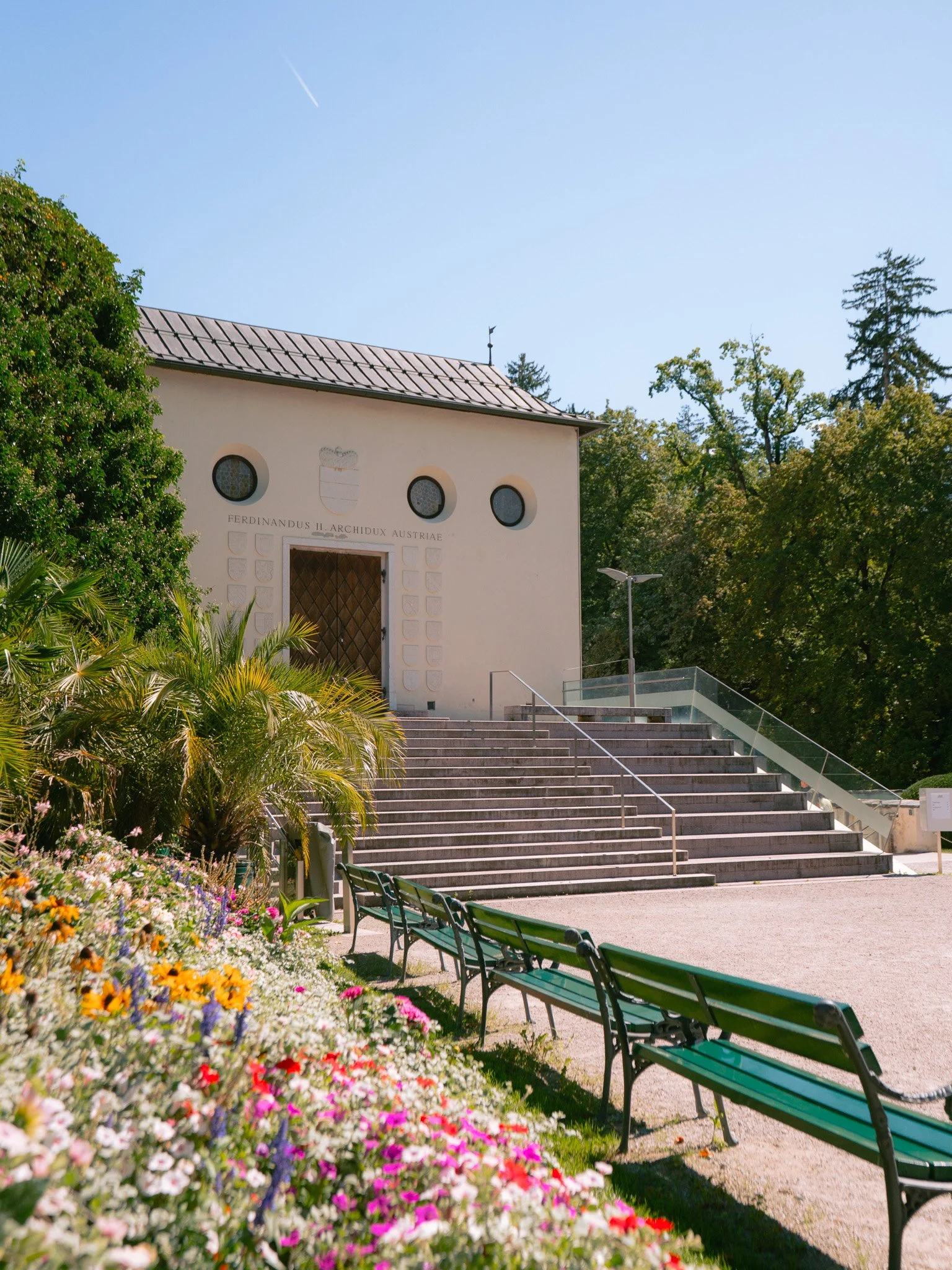
Less than 10 minutes outside the historic center, Ambras Castle is another stop I'd make if you're interested in history, architecture or photography.
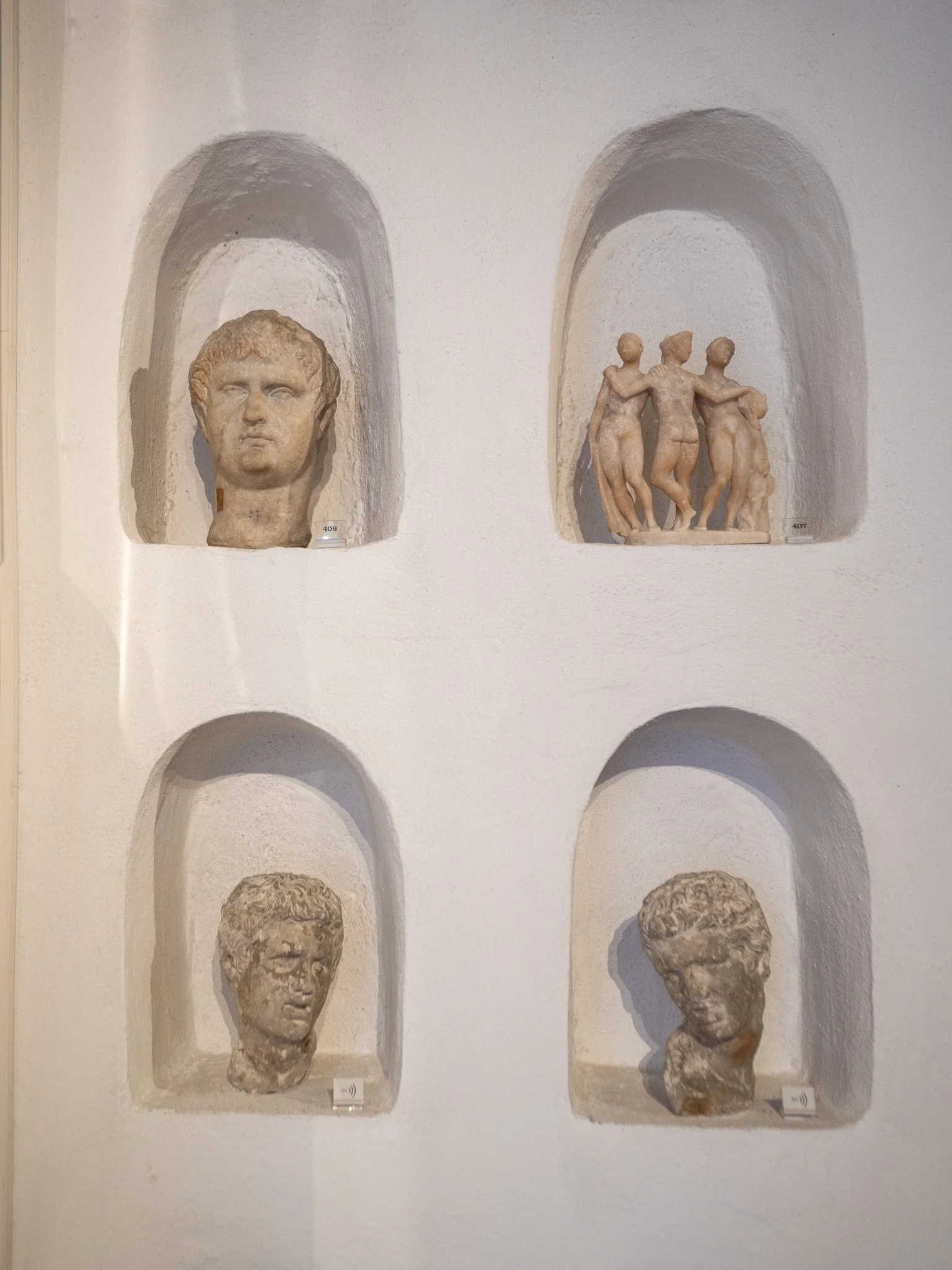
This Renaissance castle sits on a hill above Innsbruck and is home to elaborate interiors, historic collections and beautiful grounds. It's also considered the oldest museum in the world, with Archduke Ferdinand II designing part of the castle specifically to display his collections in the 16th century.
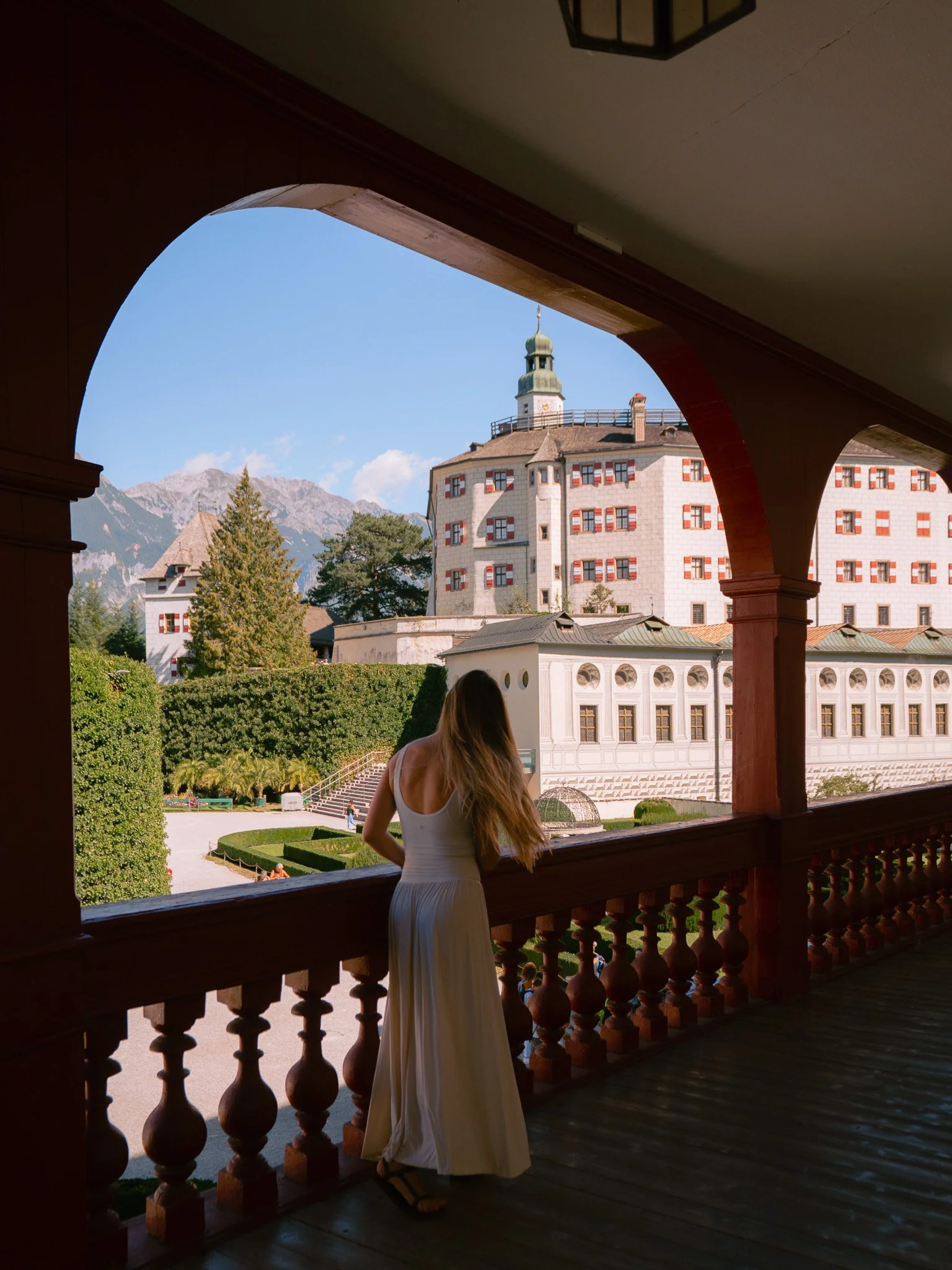
Don't miss the Spanish Hall, a massive Renaissance hall lined with portraits of Tyrolean rulers. Between the intricate woodwork, painted ceiling and huge windows looking out toward the grounds, it was easily one of my favorite spaces in the castle.
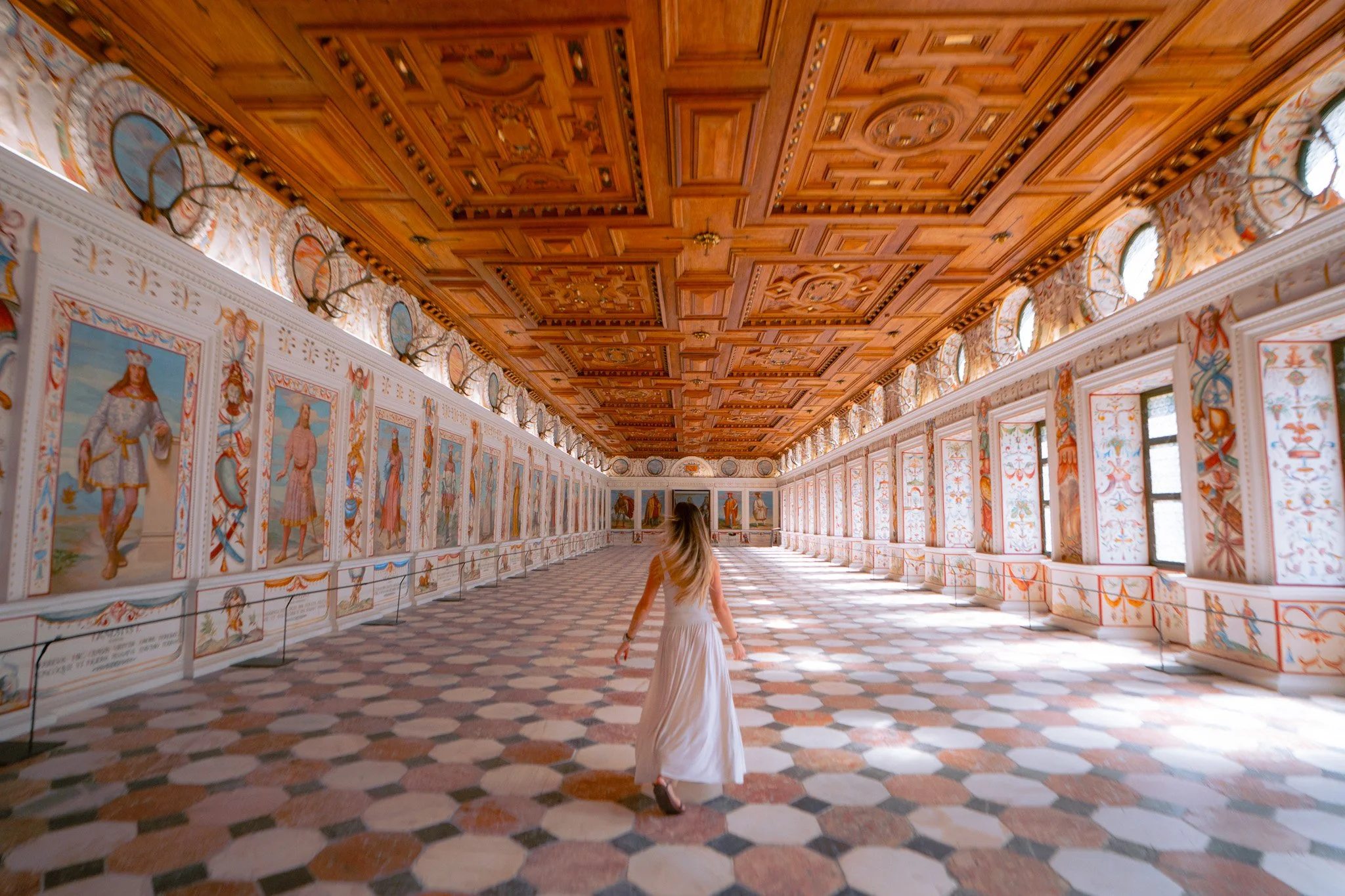
If you’re a photographer, don’t forget your wide-angle lens for this place! You’ll definitely want the extra width to capture these interiors.
Take the Nordkette to the Top of Innsbruck
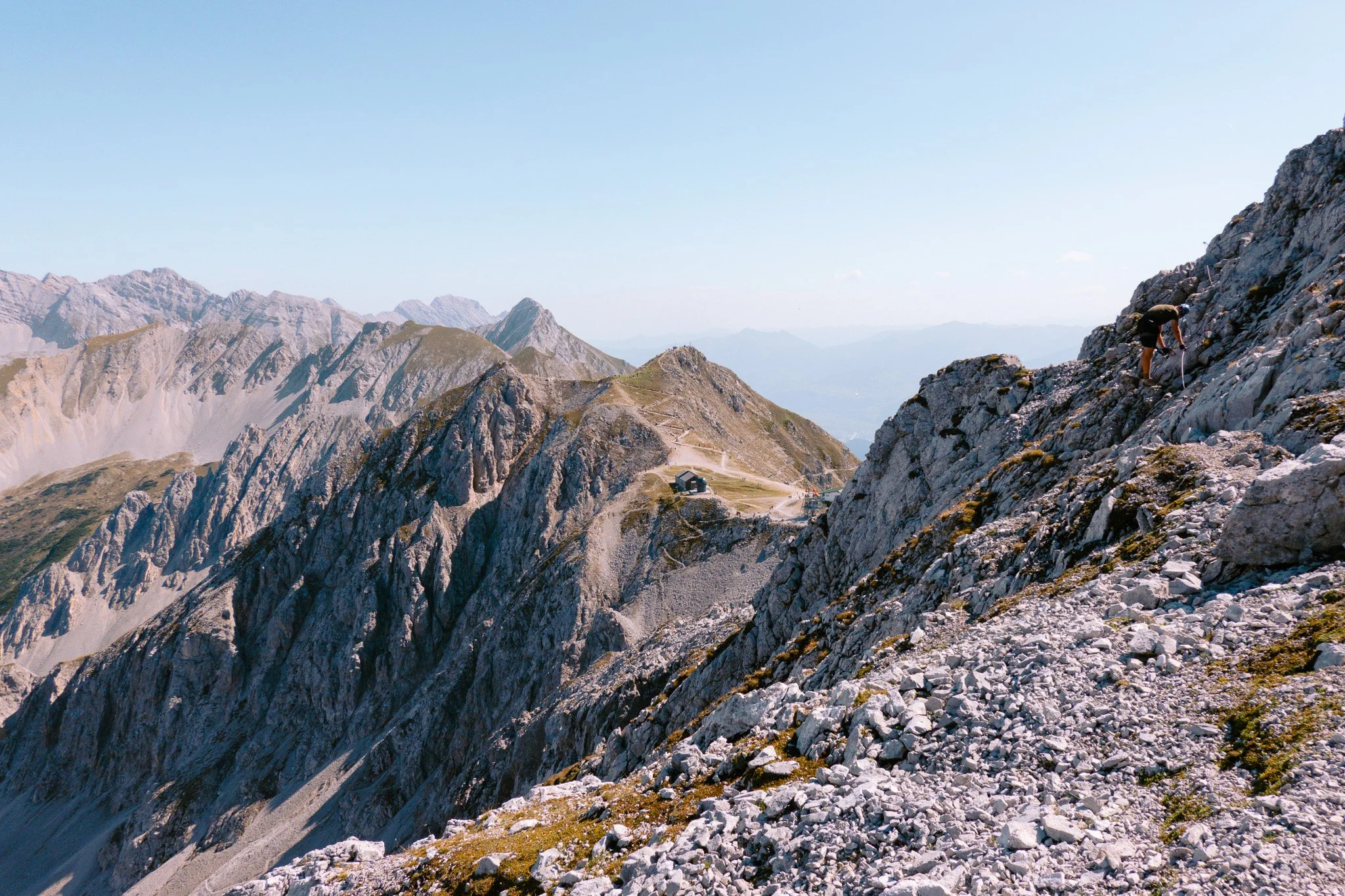
The Nordkette mountain range towers directly over the city, but you don't need to drive an hour into the Alps to reach it.
You can literally start in central Innsbruck and use a combination of funiculars and cable cars to travel from the city to Hafelekar, more than 2,000 meters above sea level.
At the top, the city spreads out below you on one side while the rugged Karwendel mountains stretch into the distance on the other.
Even if you're not a hiker, I think this is an absolute must.
But if you ARE a hiker...
Hike the Goetheweg
This trail begins near Hafelekar and follows the mountains high above Innsbruck, with huge views into the Karwendel range.
What makes this hike particularly cool is how accessible it feels compared with the scenery you're getting. You can essentially take public transportation from downtown Innsbruck into legitimate alpine terrain.
You can follow the trail toward Pfeishütte and turn around whenever it makes sense for your schedule, or plan a longer mountain day if you're comfortable with alpine hiking.
Weather changes quickly up here, so check conditions before heading out and bring proper layers even if it's warm and sunny in Innsbruck.
Do the Innsbruck Via Ferrata
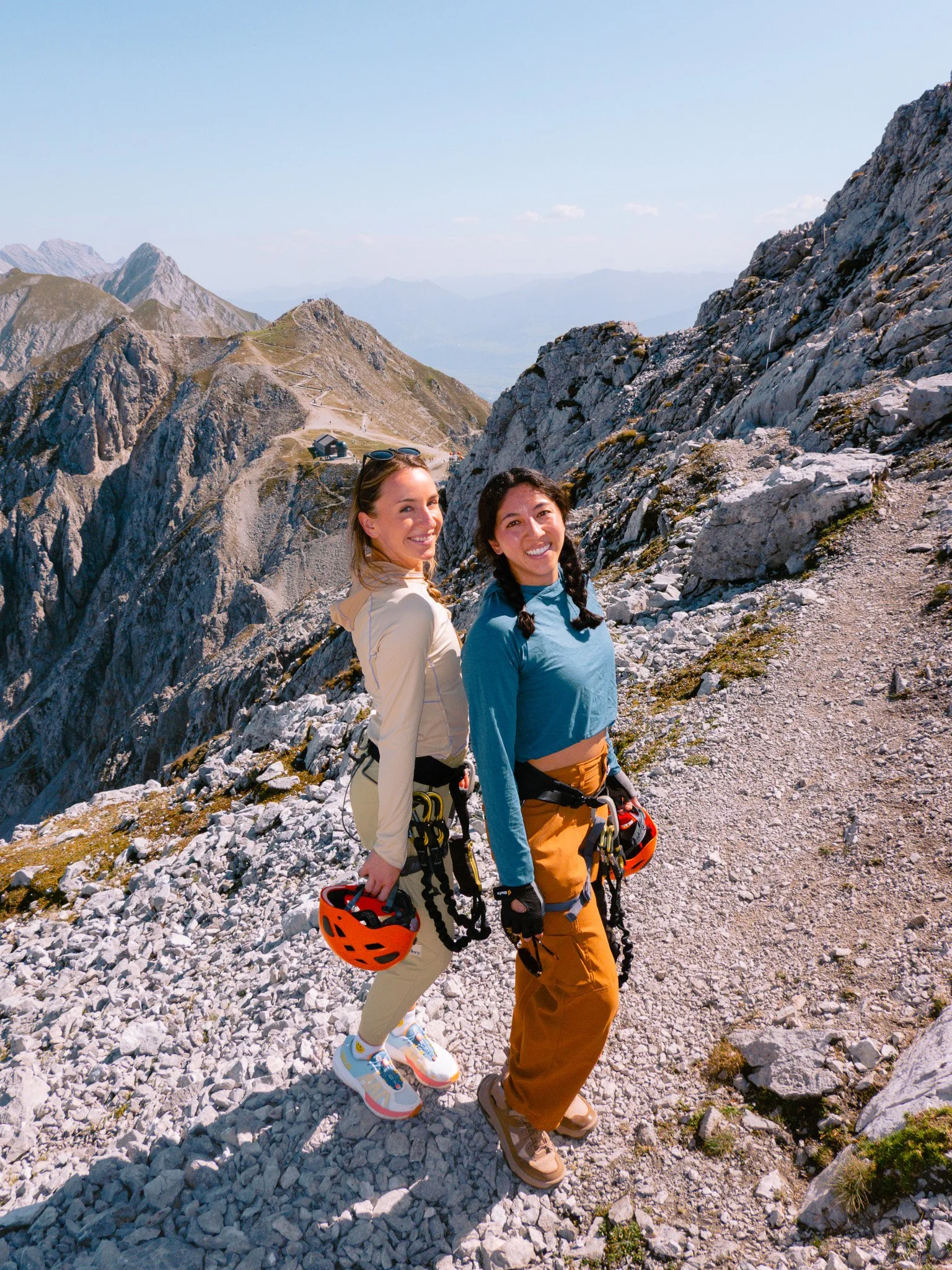
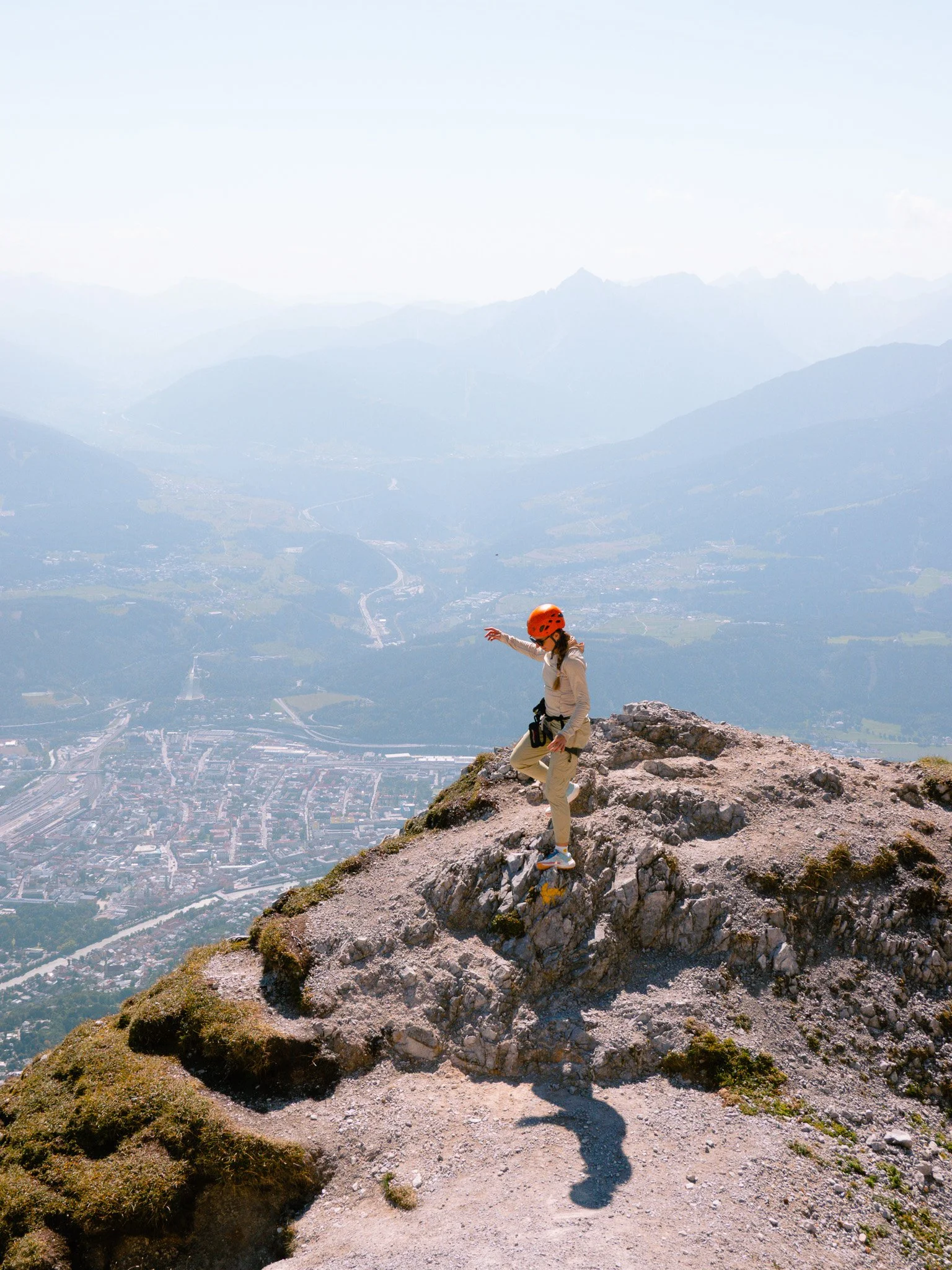
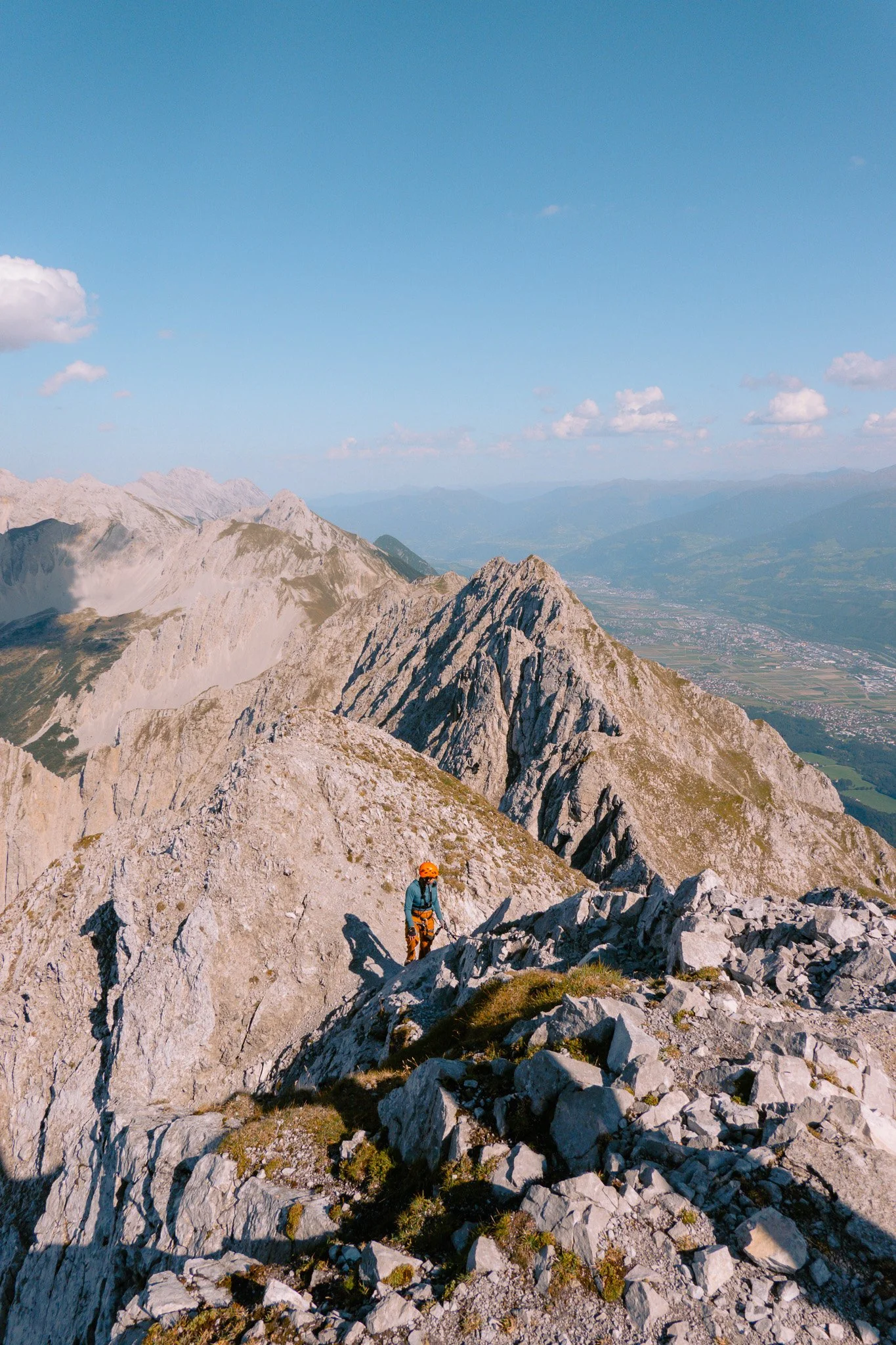
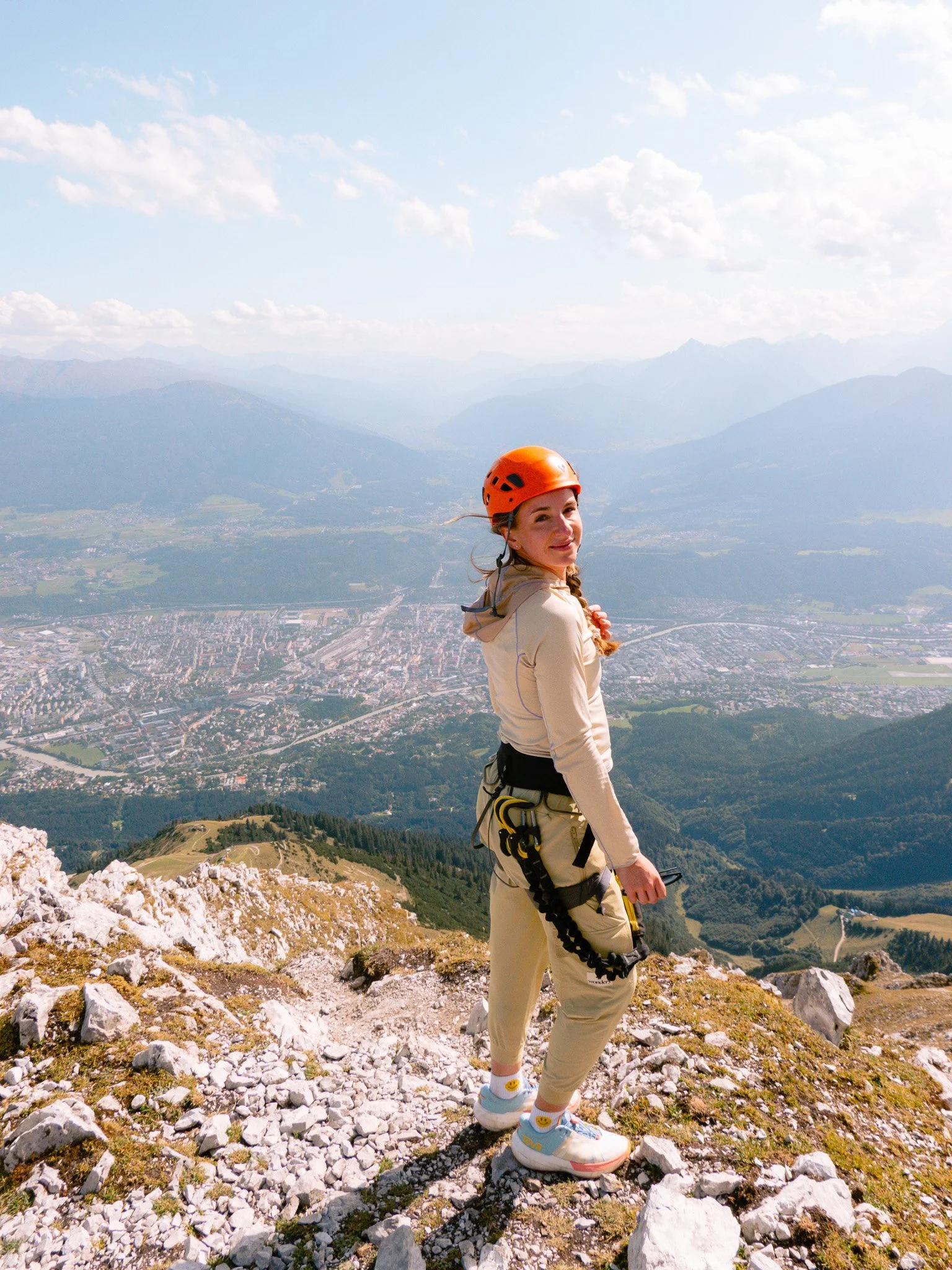
If you're comfortable with exposure and already have some via ferrata experience, the Nordkette also has one of the coolest adventures accessible directly from Innsbruck.
The Innsbruck Via Ferrata begins near Hafelekar and follows the Nordkette ridge across multiple summits.
The full route is a serious alpine outing, not a casual activity. It requires proper via ferrata equipment, sturdy footwear, a head for heights and stable weather.
You can rent a harness, helmet and via ferrata set on the mountain, although equipment should be reserved ahead of time. You can also do it self-guided, but again, this one’s HARD so I wouldn’t recommend it as your first ever climbing or via ferrata experience.
Go Rock Climbing Near Innsbruck
If the weather isn't cooperating, K1 Kletterzentrum Innsbruck is an enormous climbing facility with indoor and outdoor climbing. And honestly, even if the weather IS cooperating, climbing their outdoor routes with views of the mountains was a cool experience in itself.
Innsbruck is a major hub for the climbing world, and K1 regularly hosts international competitions, including a stop on the IFSC Climbing World Cup circuit in 2026. So yes, you can casually climb on the same walls used by some of the best competition climbers in the world, which is pretty damn cool.
For outdoor climbing on actual rock, Martinswand is one of the area's best-known climbing zones and has numerous routes across different sectors and difficulty levels.
If you're visiting without your own gear or aren't comfortable navigating an unfamiliar climbing area independently, I'd look into hiring a local climbing guide.
Take a Day Trip to Olpererhütte
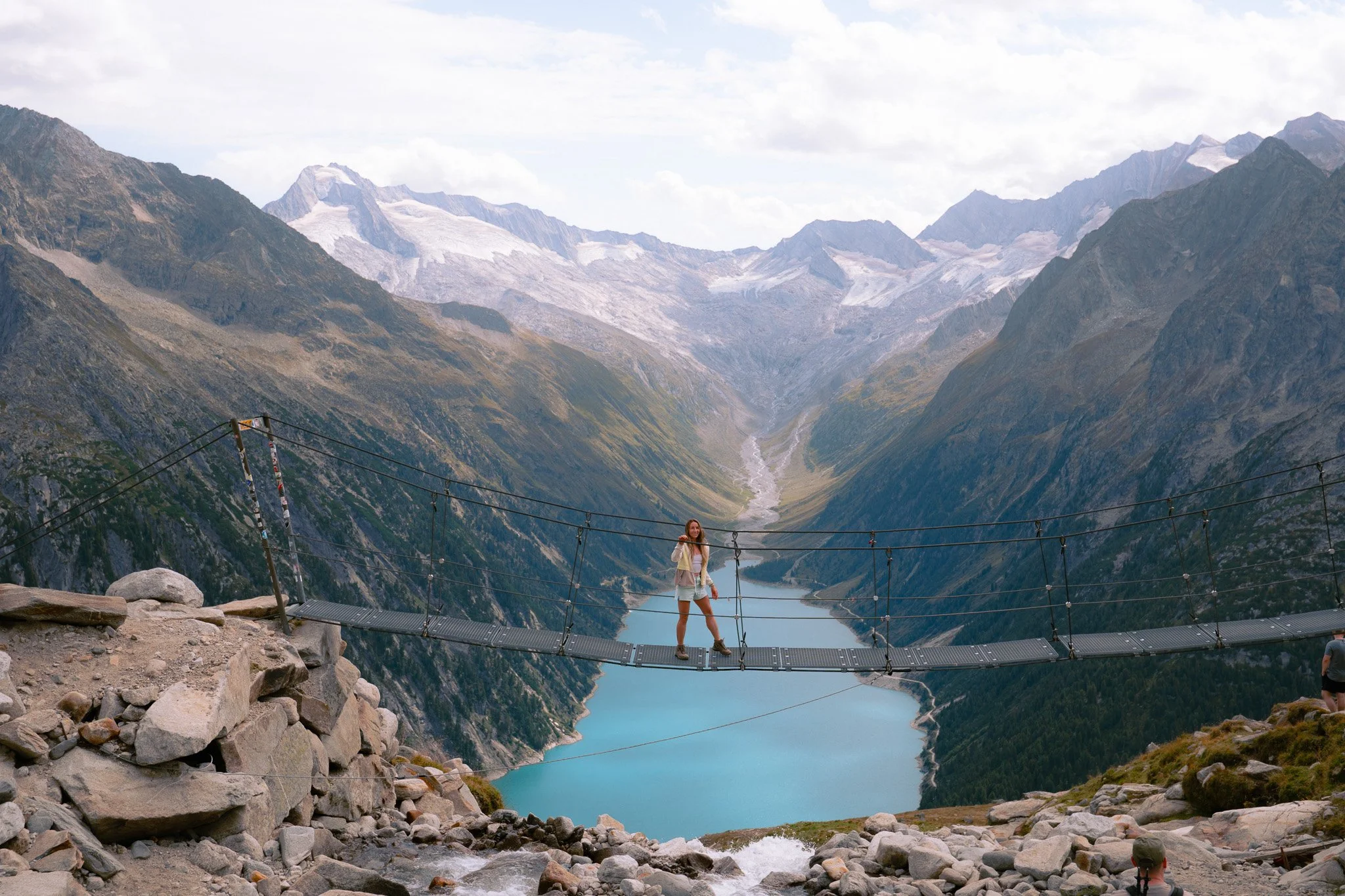
If you've spent any time looking at hiking photos from Austria, you've probably seen this one.
Olpererhütte sits high above the turquoise Schlegeis Reservoir in the Zillertal Alps, with a tiny suspension bridge that has become one of Austria's most recognizable hiking photo spots.
And yes, the bridge is MUCH smaller and less sketchy in real life than Instagram makes it look. Its all about those photography angles.
The standard hike from Schlegeis Reservoir to Olpererhütte is roughly 6 kilometers/3.8 miles round trip with about 600 meters/1,970 feet of elevation gain.
It's basically uphill the entire way to the hut, but the views get better and better as you climb.
Once you reach Olpererhütte, continue just beyond the hut to reach the famous bridge. I also recommend stopping at the hut for food or a drink before heading back down.
This is farther from Innsbruck than the other activities in this guide, so treat it as a full-day excursion and get an early start.
Visit Swarovski Crystal Worlds
Located in Wattens outside Innsbruck, the attraction combines art installations, gardens and some extremely elaborate displays involving, unsurprisingly, a LOT of crystals. It's a fun option for a lower-key day, rainy weather or when your legs need a break from hiking.
See the Bergisel Ski Jump
Innsbruck hosted the Winter Olympics in both 1964 and 1976, and winter sports are still a huge part of the city's identity.
The Bergisel Ski Jump sits above the city and is both an active ski jumping facility and a panoramic viewpoint.
Even if you know absolutely nothing about ski jumping, standing at the top and looking down the ramp gives you a newfound appreciation for the people who willingly launch themselves off these things!
Walk or Bike Along the Inn River
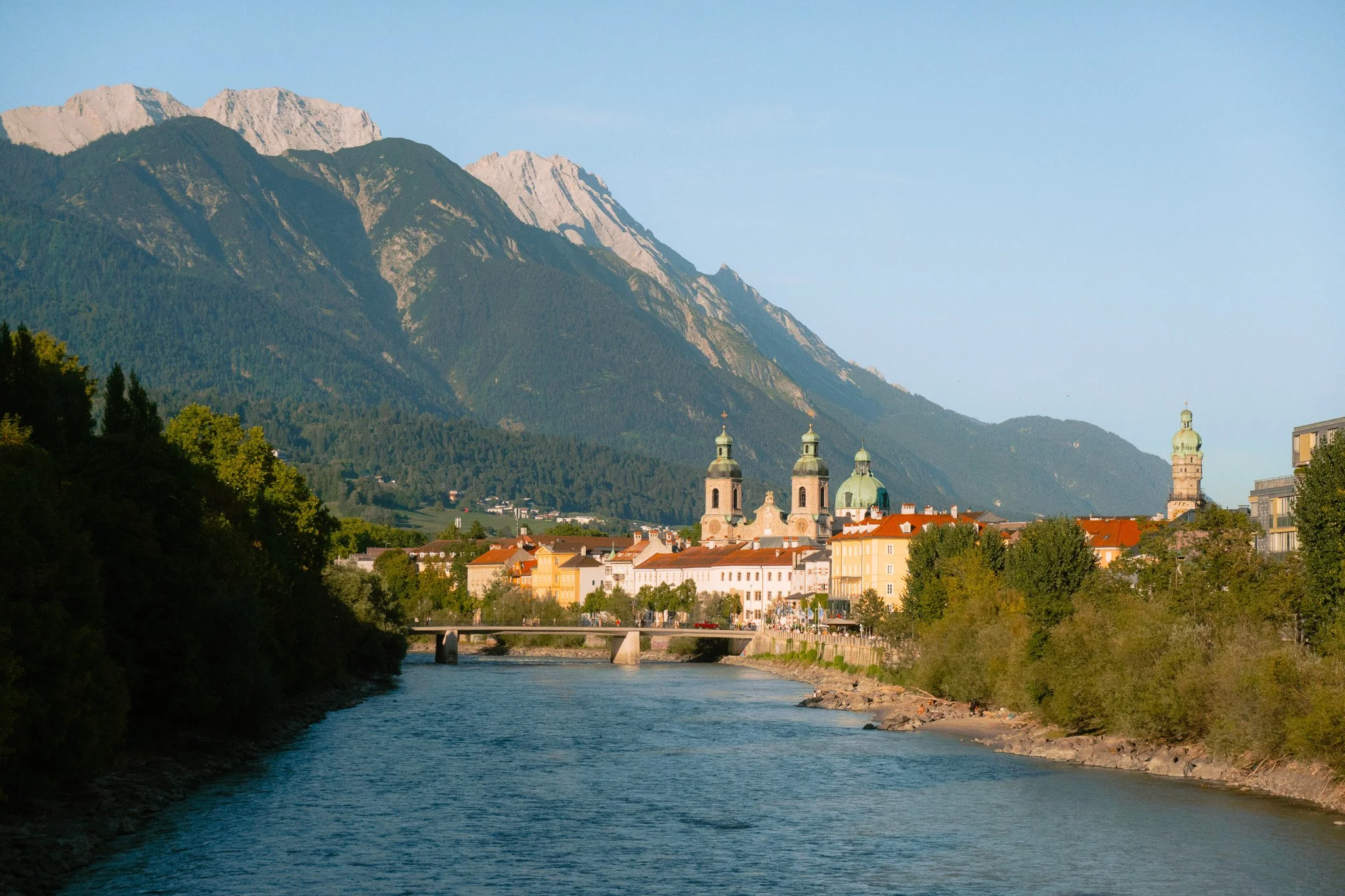
For something much more relaxing, walk along the Inn River.
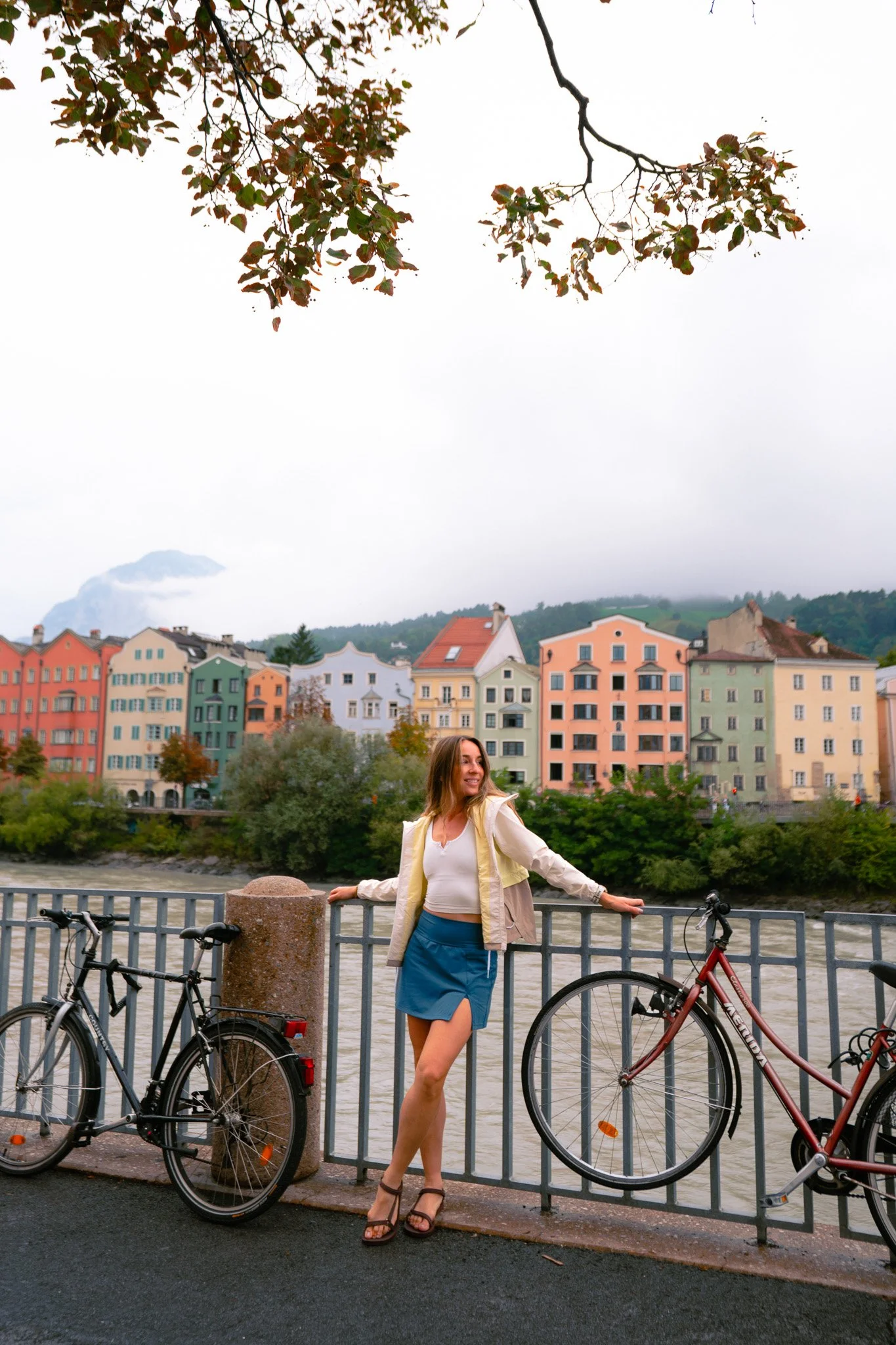
The river runs directly through the city, with pedestrian and bike paths along its banks and those famous colorful buildings lining parts of the waterfront.
It's an easy thing to add before dinner or on a slower afternoon.
Is the Innsbruck Card Worth It?
If you're planning to do several of Innsbruck's major attractions, definitely price out the Innsbruck Card.
Again, this is different from the free Welcome Card you may receive through your hotel.
The Innsbruck Card is a paid sightseeing pass available for 24, 48 or 72 hours. It includes admission to more than 20 attractions, public transportation, and several mountain lifts and cable cars.
Importantly, it includes the entire journey to the Top of Innsbruck on the Nordkette, which is one of the more expensive individual attractions.
It also includes attractions like:
Swarovski Crystal Worlds
Hofburg Imperial Palace
Ambras Castle
City Tower
Bergisel Ski Jump
Alpine Zoo
Court Church
We packed several attractions into our sightseeing days, so having the card made a lot of sense.
Before buying it, I'd simply list everything you're realistically planning to visit and compare the individual admission prices with the current card price.
Where to Eat in Innsbruck
Cielo
A cute spot for coffee, breakfast or brunch, and literally about a minute's walk from Hotel Sailer. Their San Sebastian cheesecake was INSANE and absolutely worth ordering, even if cheesecake for breakfast isn't technically a thing. This was an easy place to stop when we wanted something casual before a day of exploring.
my Indigo
Great for a quick, healthier lunch. They have bowls, curries and other lighter options, which was honestly very welcome between all the heavier Austrian meals.
Gelateria Tomaselli
Because obviously you need gelato while wandering around a European city. My absolute favorite flavor is Raffaello, and for some reason I can never find it anywhere but Europe, so I definitely stopped here a few more times than I'd like to admit lol.
Pizzeria A CASA
We stopped here after climbing at K1 and it ended up being one of those random meals you don't plan that turns out SO good. They specialize in Neapolitan-style pizza made with ingredients imported from Italy, and the pizza was incredible. It's also only about a 10-minute walk from the climbing gym, making it the perfect post-climbing dinner stop before heading back into the center of Innsbruck.
Ottoburg
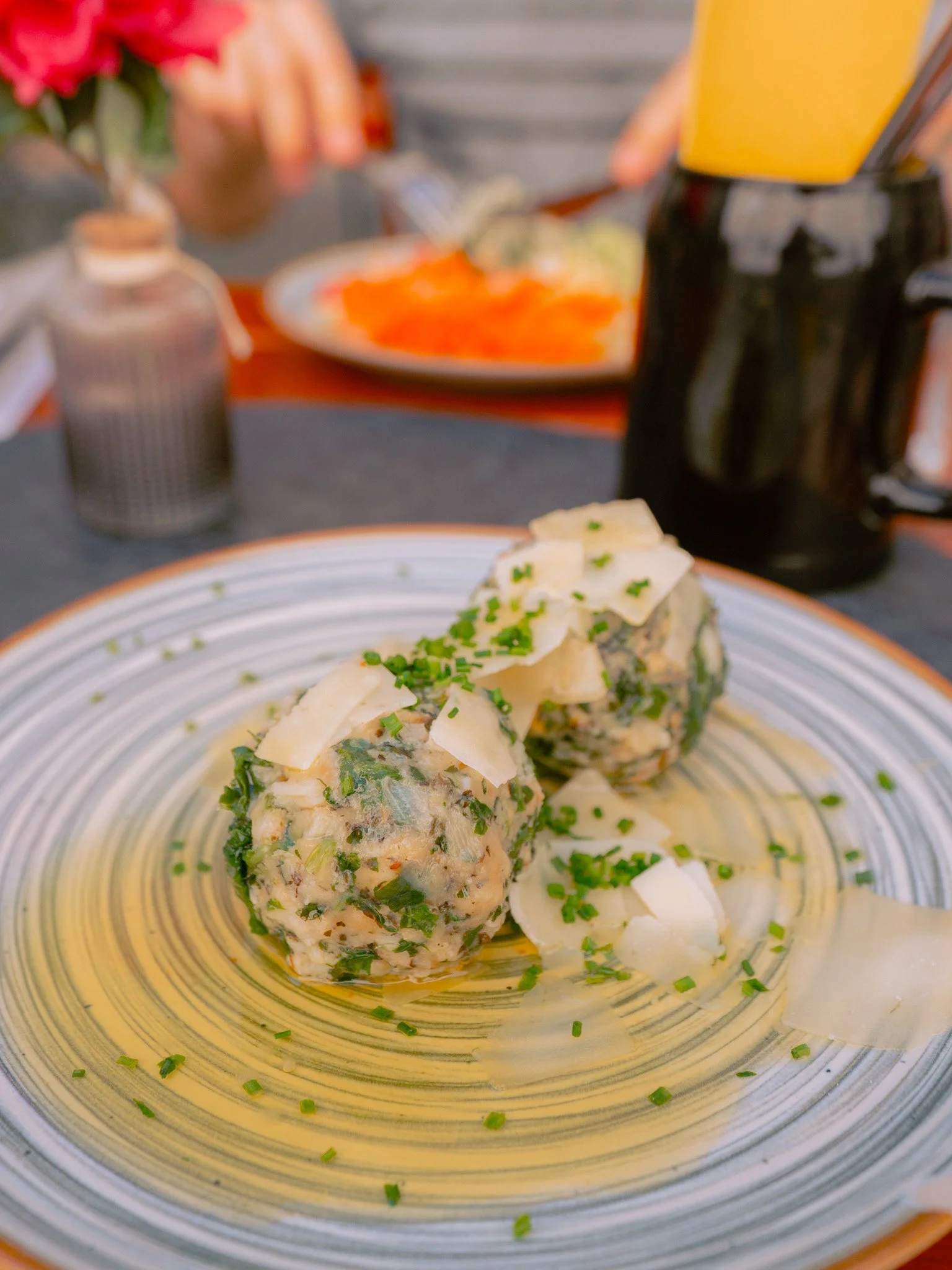
If you want a more traditional Tyrolean dinner, make a reservation at Ottoburg. The restaurant is located inside a historic building right near the Inn River and Old Town, and the atmosphere alone makes it worth visiting.
Final Thoughts on Innsbruck
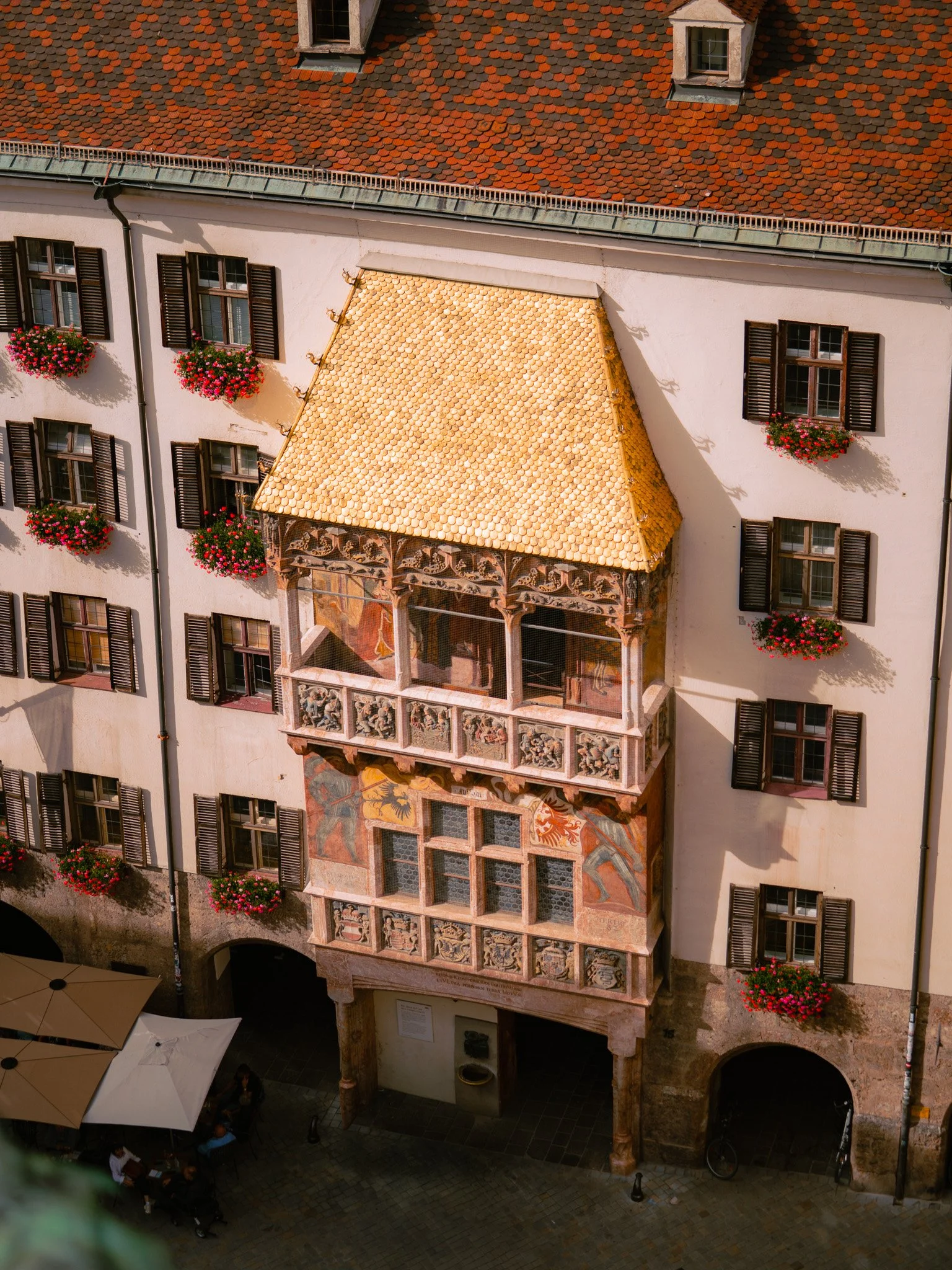
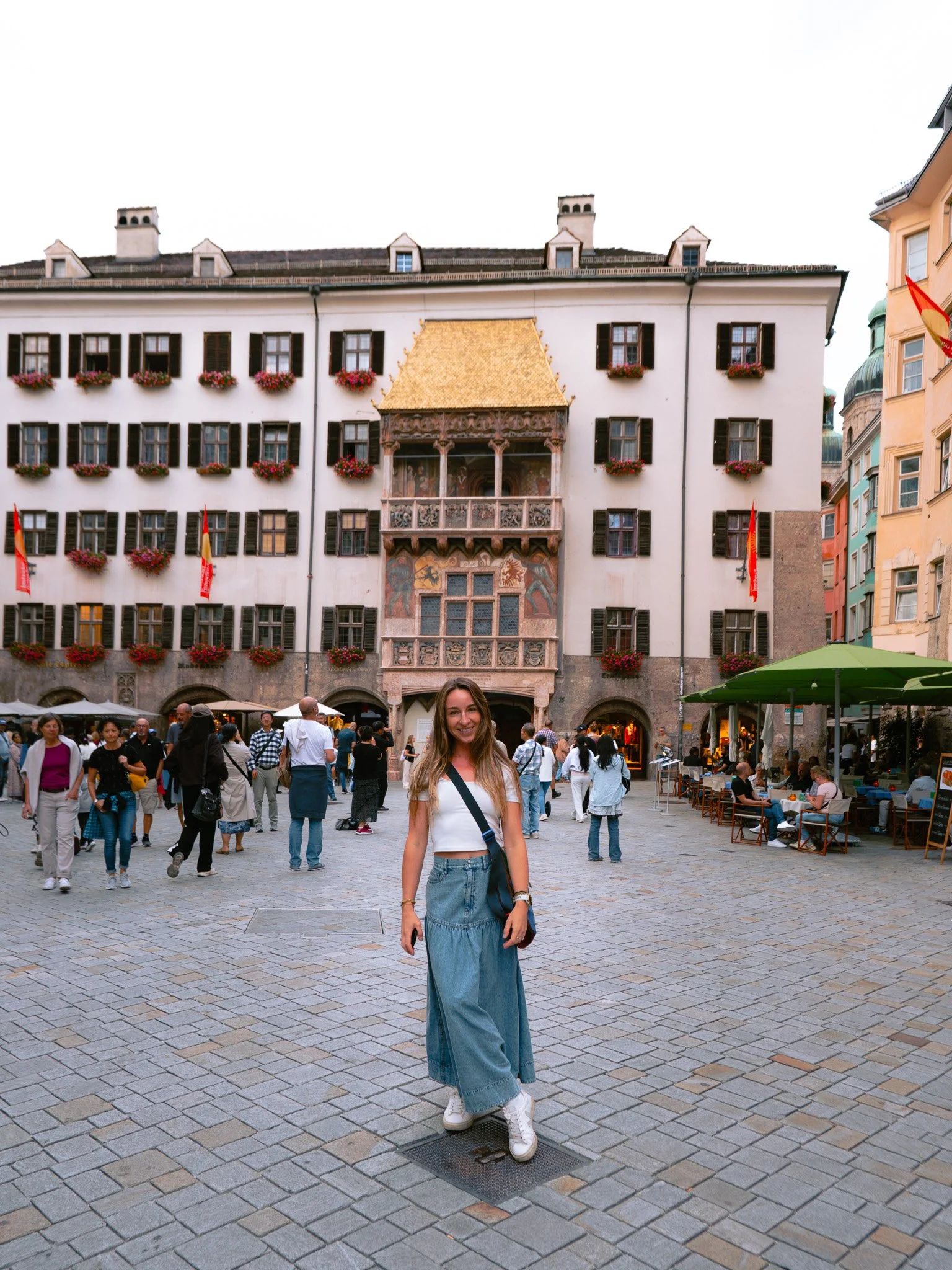
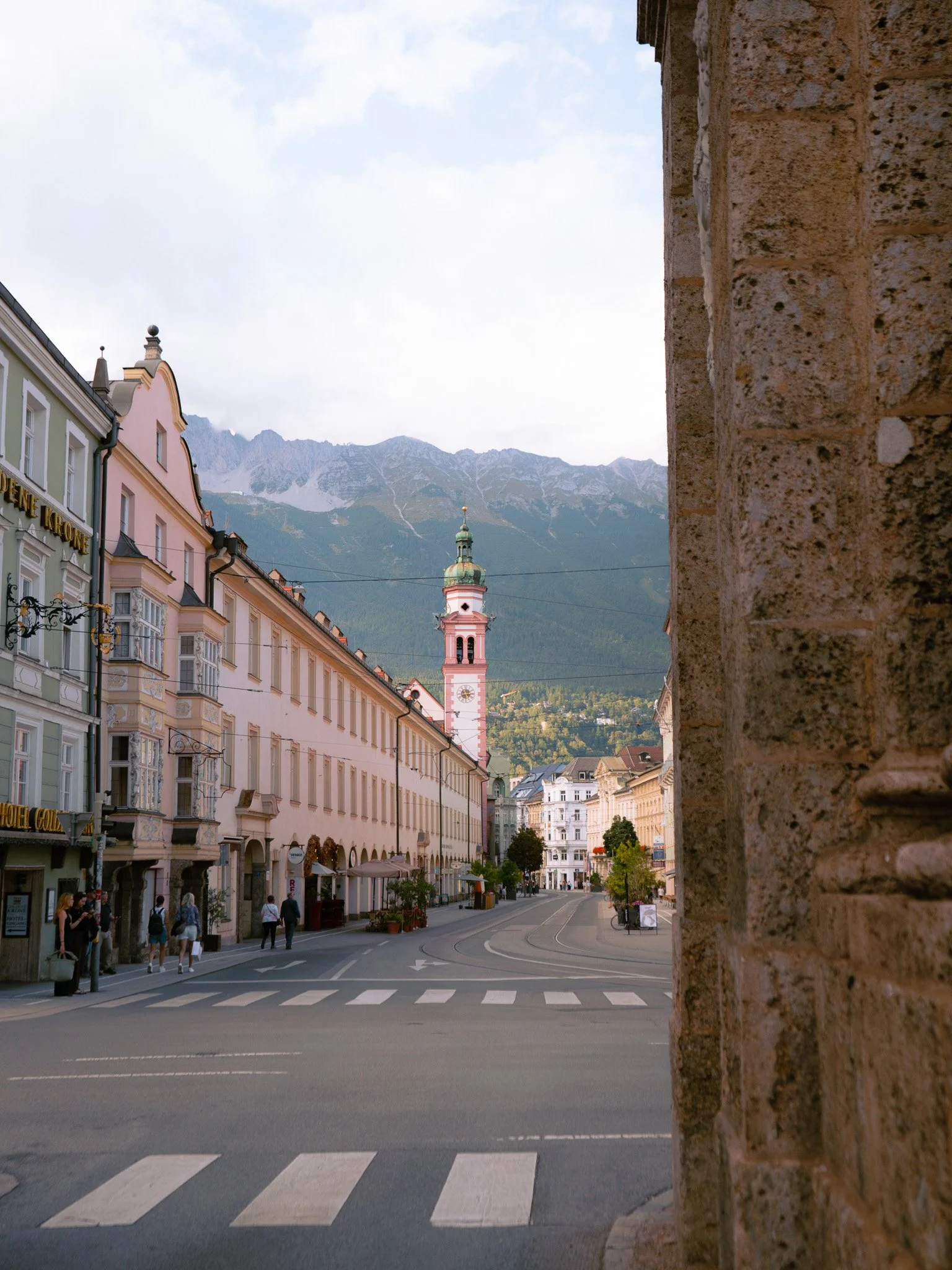
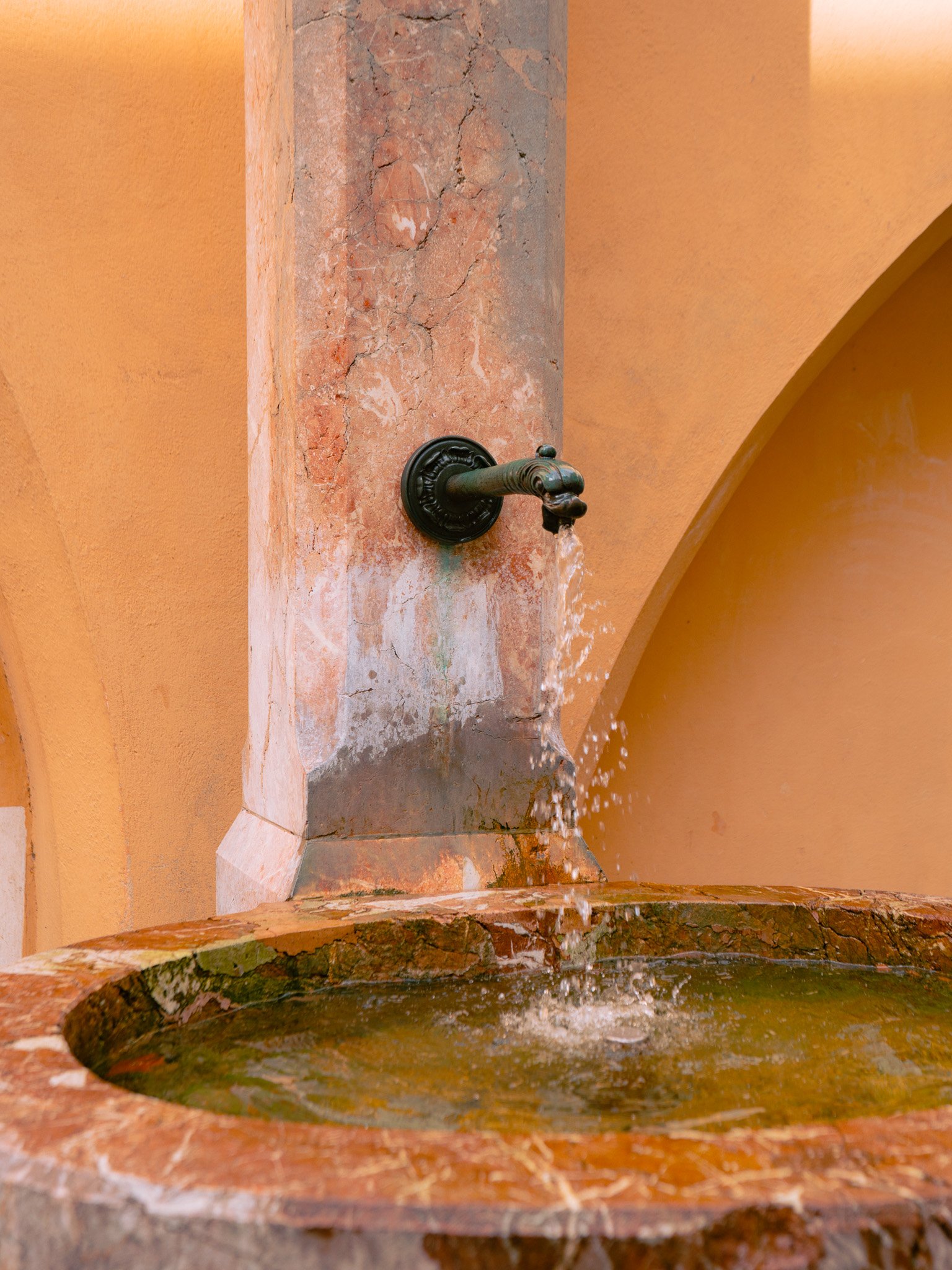
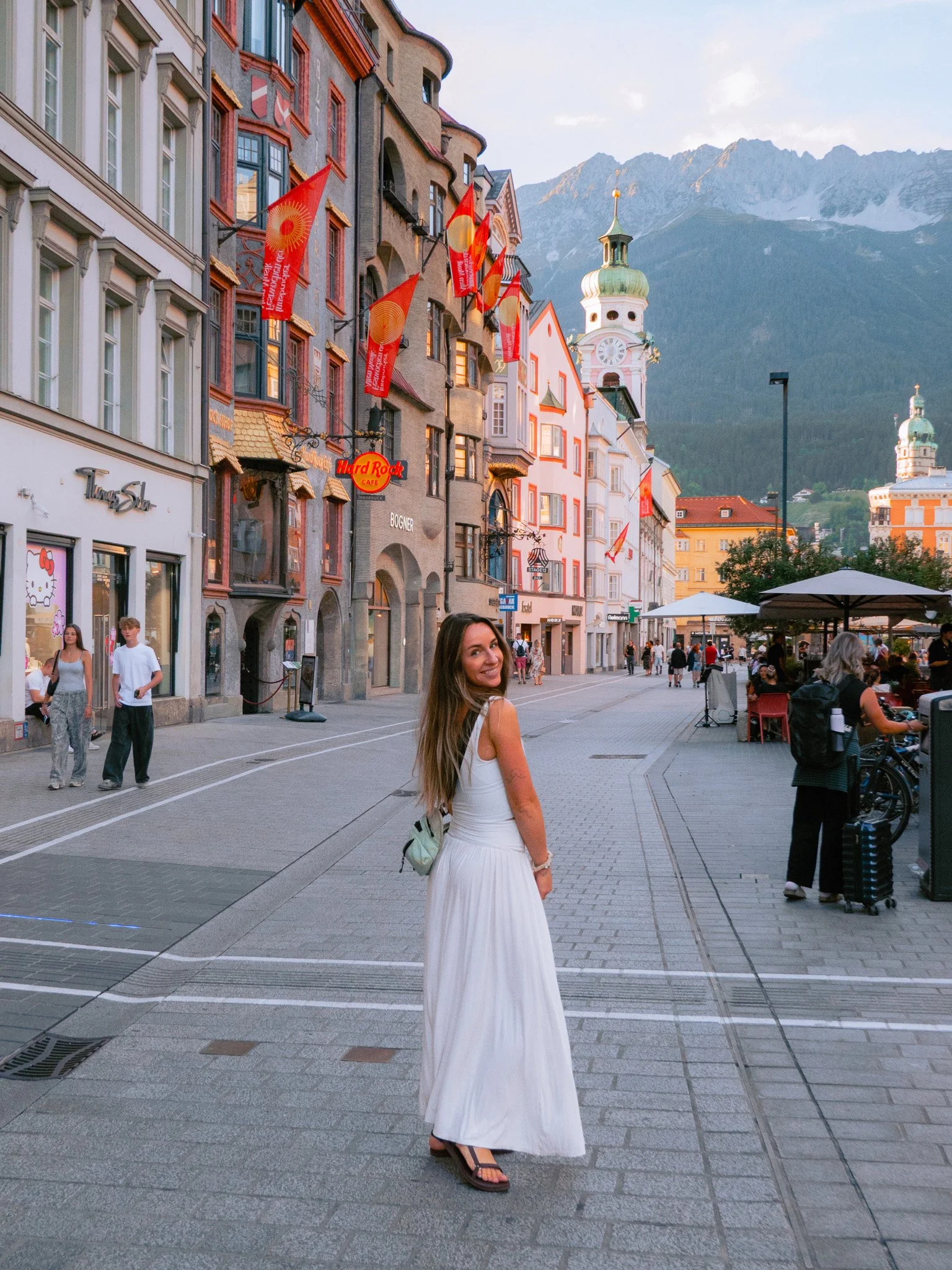
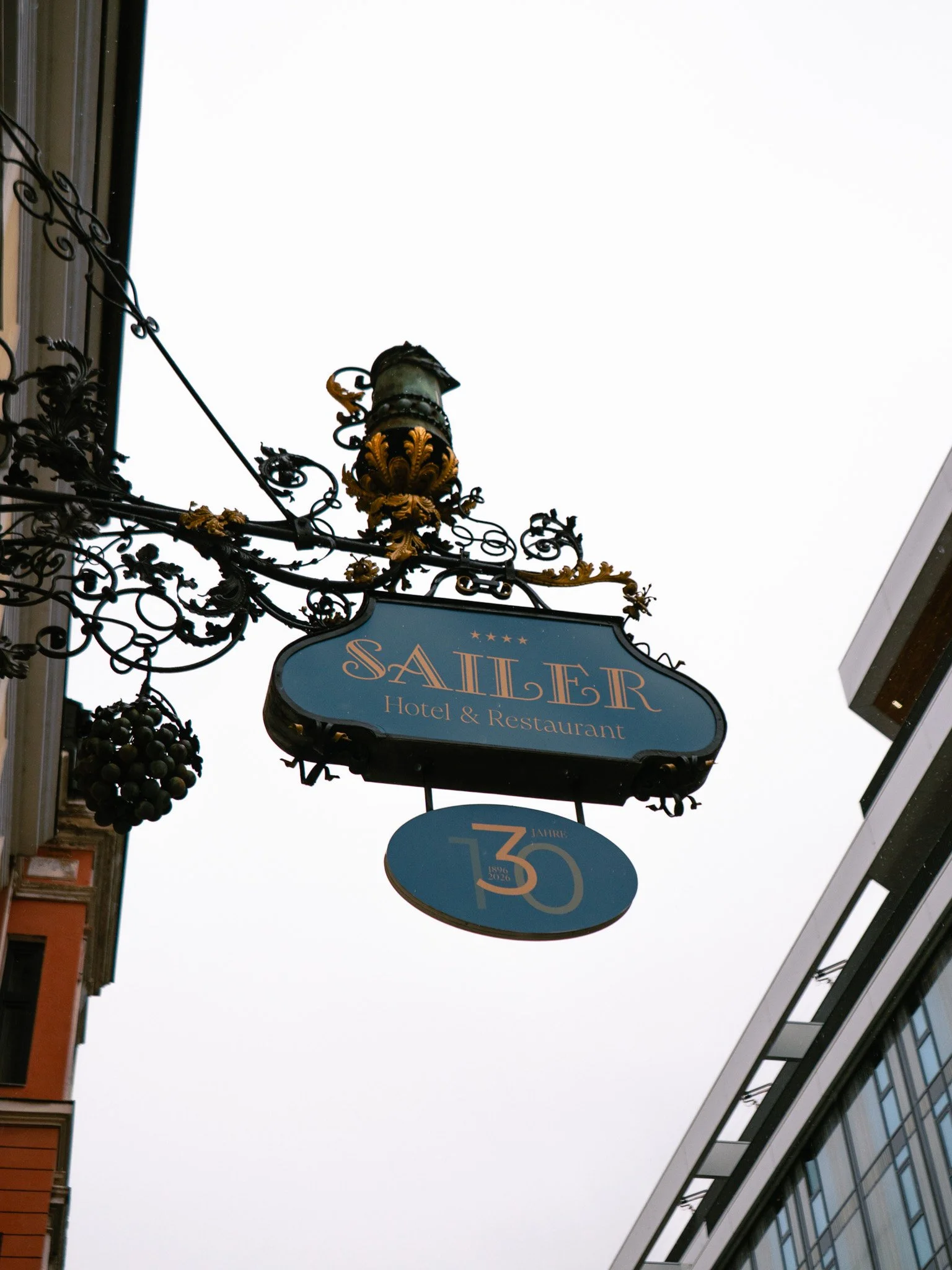
There aren't many cities where you can spend the morning wandering through an imperial palace and the afternoon clipped into a via ferrata high above town. That's what made Innsbruck feel like such a dream destination for me. It has the history, architecture, cafés and walkability I love about European cities, but you never feel disconnected from the mountains. I would highly recommend adding it to your bucket list!
I hope this post helps you with planning your own trip to Innsbruck! As always, feel free to drop a comment or connect with me on Instagram if you have more questions :)